
#matchbox
These matchbox labels are collectible items that represent a fascinating part of cultural and advertising history. Here’s an overview of what they might signify based on their origins:
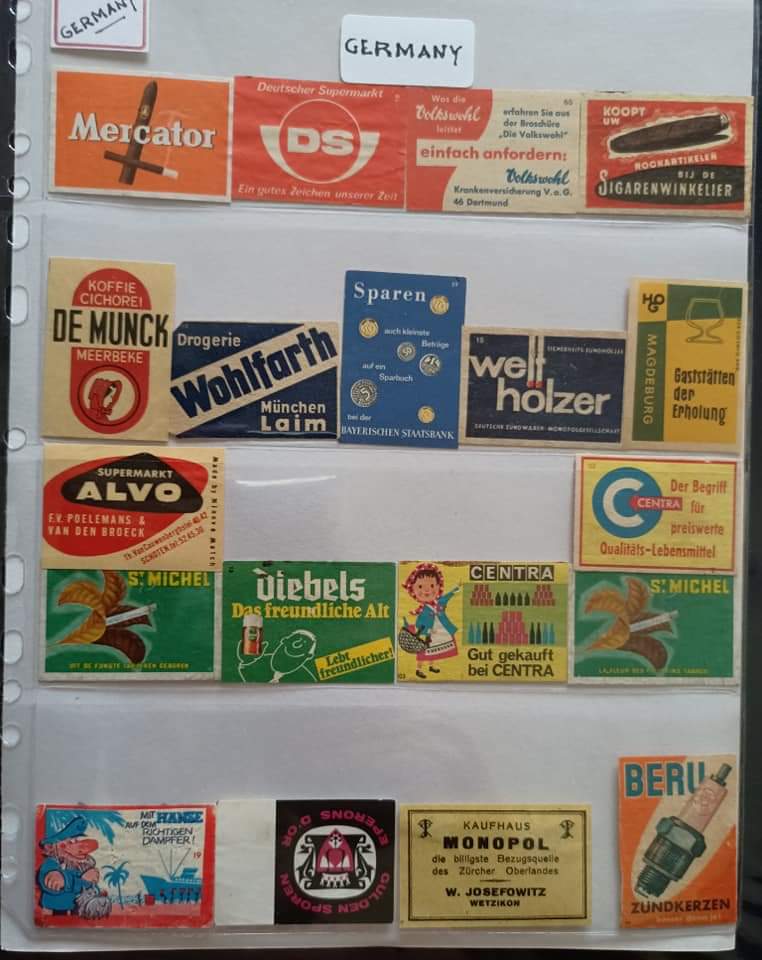
Germany:
The first page features various labels from Germany, showcasing advertisements for supermarkets, cigars, and other products. These labels were likely used as marketing tools during the mid-20th century, highlighting consumer goods and services.
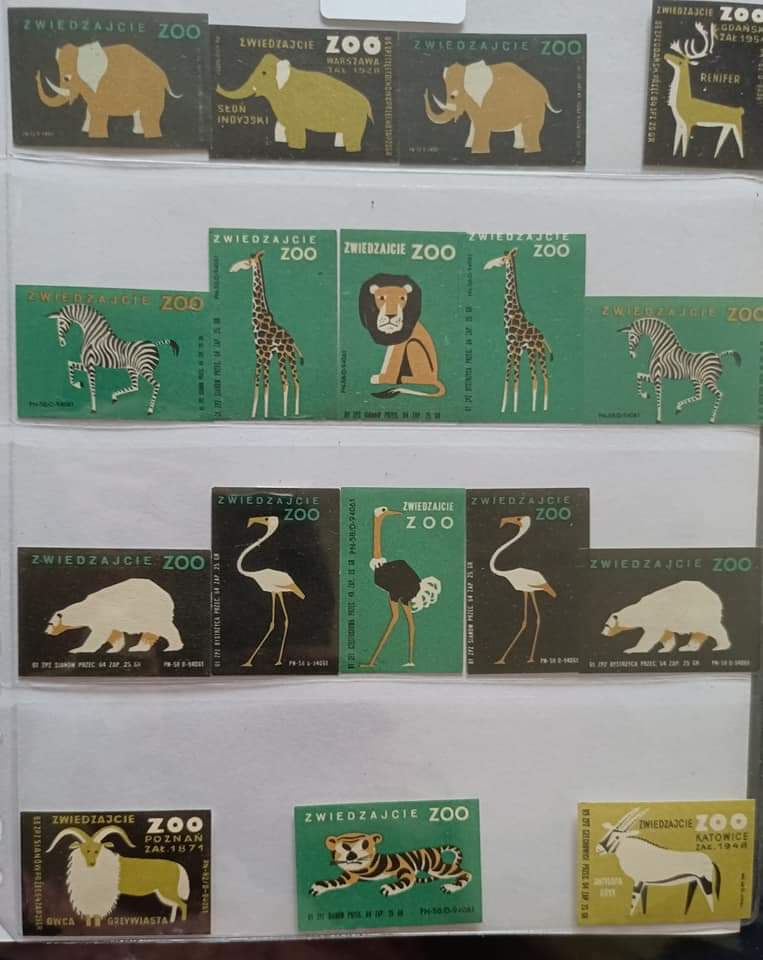
Poland (Zoo Series):
The second page is a beautifully designed series of labels promoting Polish zoos, featuring animals such as elephants, lions, zebras, and flamingos. These are likely from the mid-20th century and were designed to raise awareness and attract visitors to zoos.
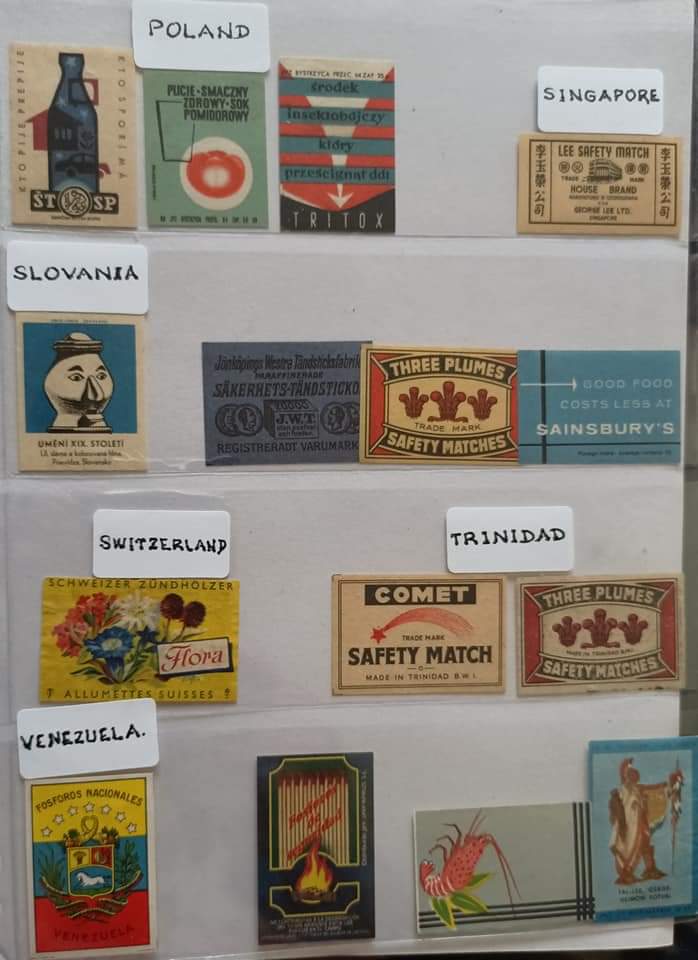
Poland, Slovenia, Singapore, Switzerland, Trinidad, Venezuela:
The third page shows a mix of countries. These labels include products like safety matches (e.g., “Three Plumes” and “Comet”) and others advertising local specialties. Each label reflects the design and advertising styles of the respective country, adding to their historical and artistic value.
Poland (Mushroom Series):
The fourth page focuses on mushrooms, labeled “Grzyby Jadalne” (edible mushrooms) and “Grzyby Trujące” (poisonous mushrooms). This educational series likely aimed to inform the public about different mushroom species, highlighting which ones are safe to consume.
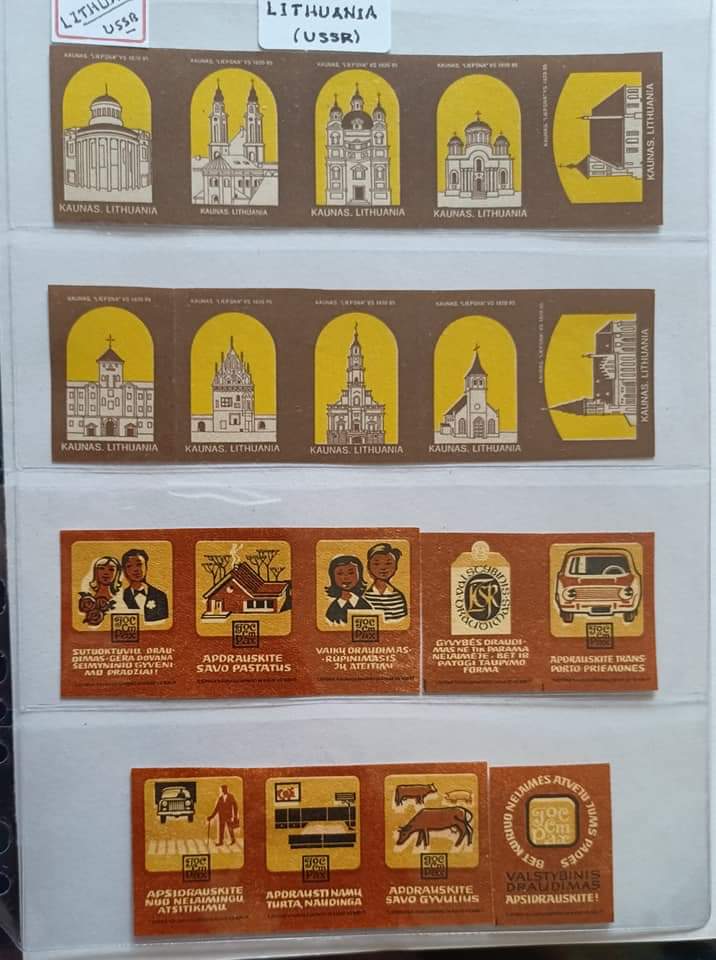
Lithuania (USSR Era):
The last page features Lithuanian labels from the USSR period. These include illustrations of iconic buildings in Kaunas, Lithuania, and labels advertising insurance or promoting various civic responsibilities. The Soviet influence is evident in the design and themes.
 Our Hobby Corner