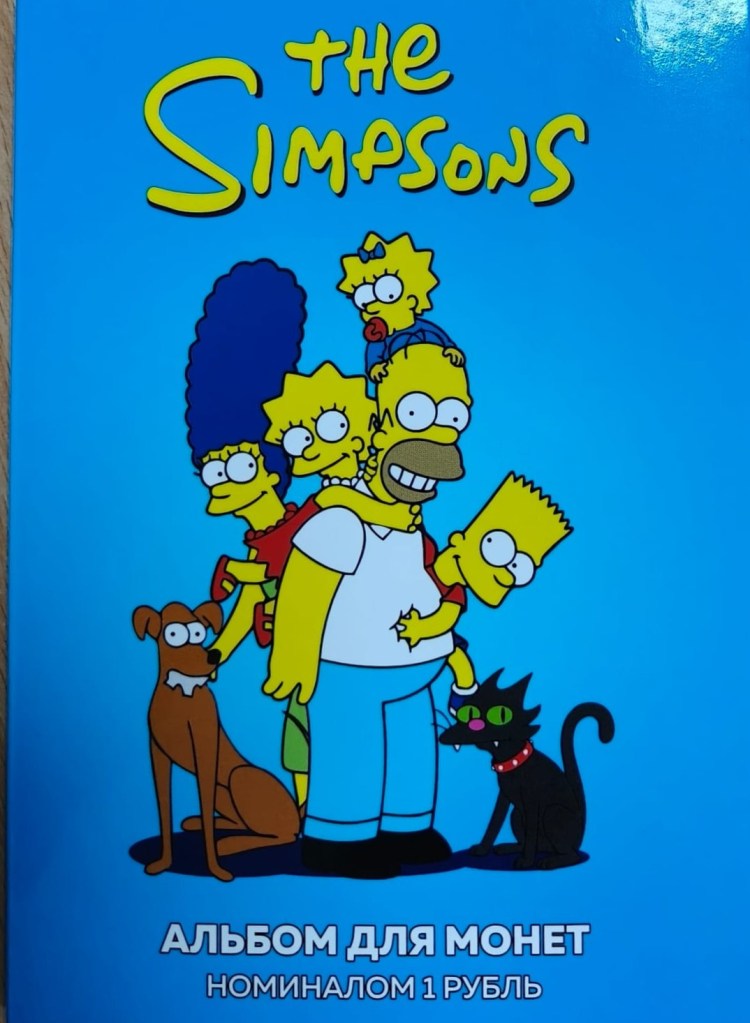
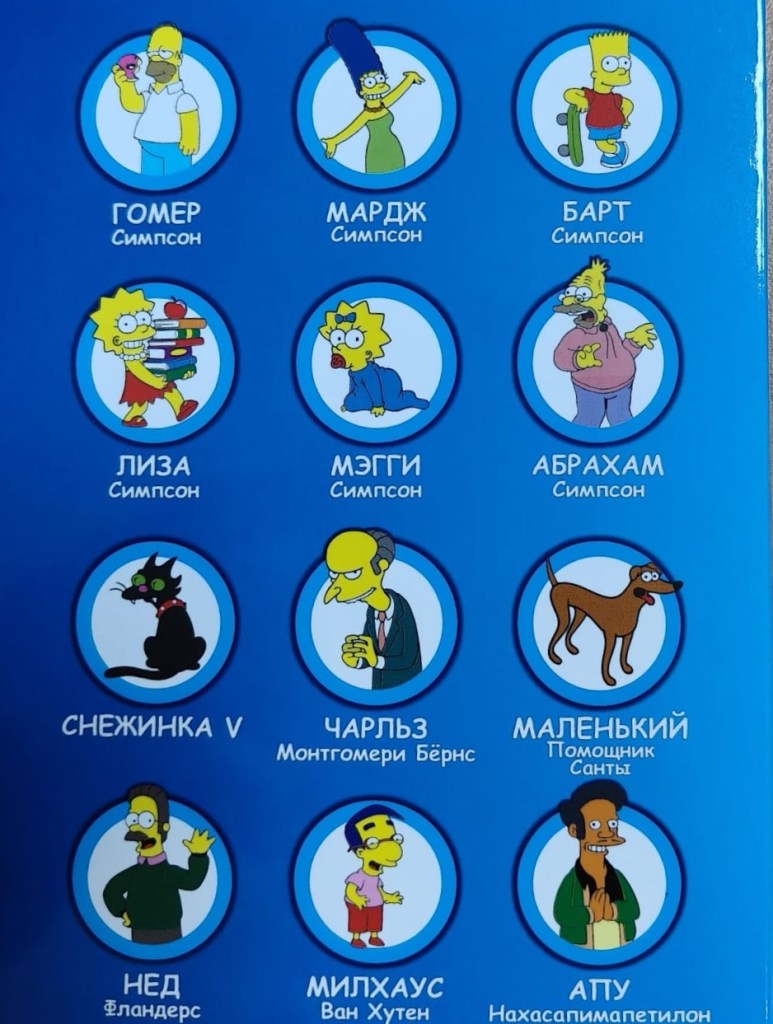
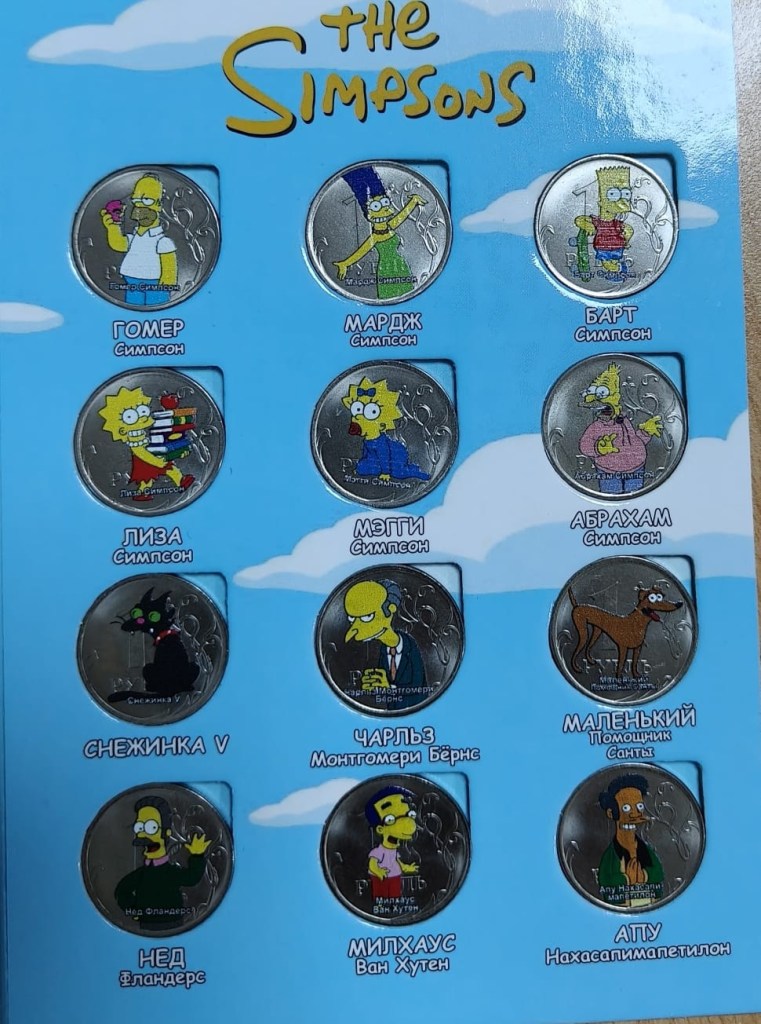
Continuing the Simpsons saga..A licensed Simpsons-themed coin album, issued for modern Russian circulation coins.
Denomination: 1 Rouble, year around 2019-2022
Legal tender: Yes (but nobody spends these)
Circulating coins turned into licensed pop-art collectibles.. loving this twist to our hobby… Time magazine, phone cards, coins.. all from the simpsons. Stamps next? Watch this space.
Latest add to our collection of collectibles, these added yesterday via a good ( collector) friend:
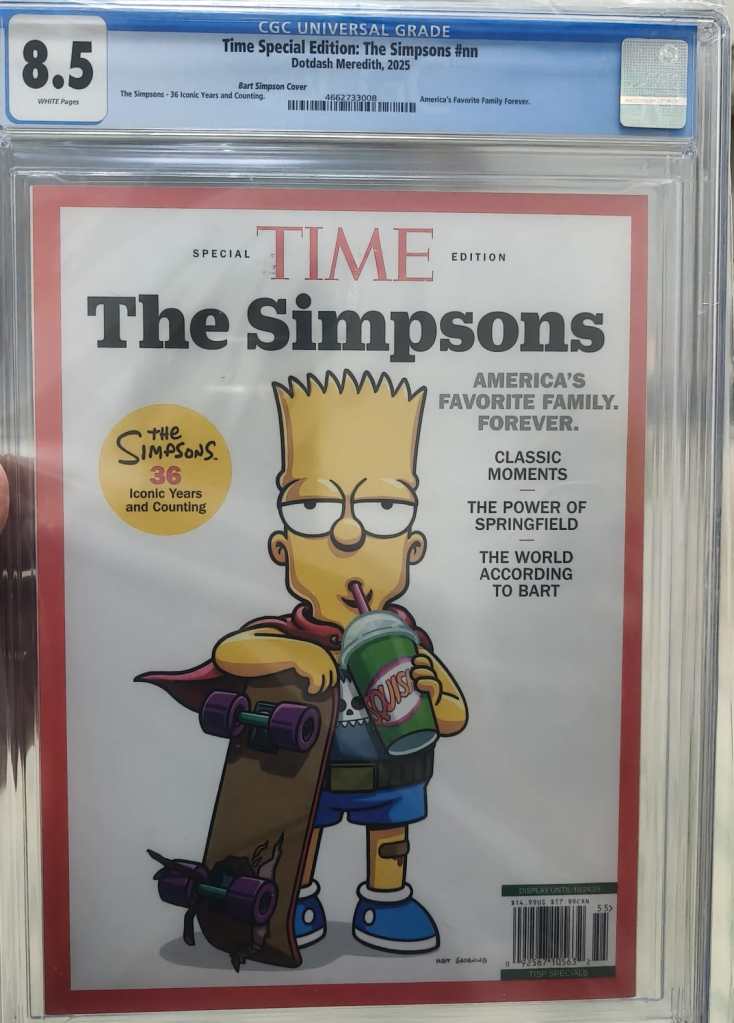
TIME Special Edition – The Simpsons, 36 Iconic Years (2025) Both CGC graded, both white pages, both instantly nostalgic.
🟦 Bart Simpson cover – the eternal rebel, skateboard parked, attitude intact. 🟦 Simpsons Family cover – chaos, love, and Springfield energy in one frame.
What I liked about this release is that it isn’t just a magazine—it’s pop culture being formally archived. When TIME does a “Special Edition” and CGC slabs it, the intent is clear: this one’s meant to last.
There’s been some chatter about multiple covers, variants, numbers, etc. Bottom line: these two form the core, recognized pair of the 2025 release—and together, they tell the full story.
Waiting to get the balance 2 as well- much more rare.. and one from 1990.
During World War II, battles were not fought only with guns and tanks… but also with printing presses.
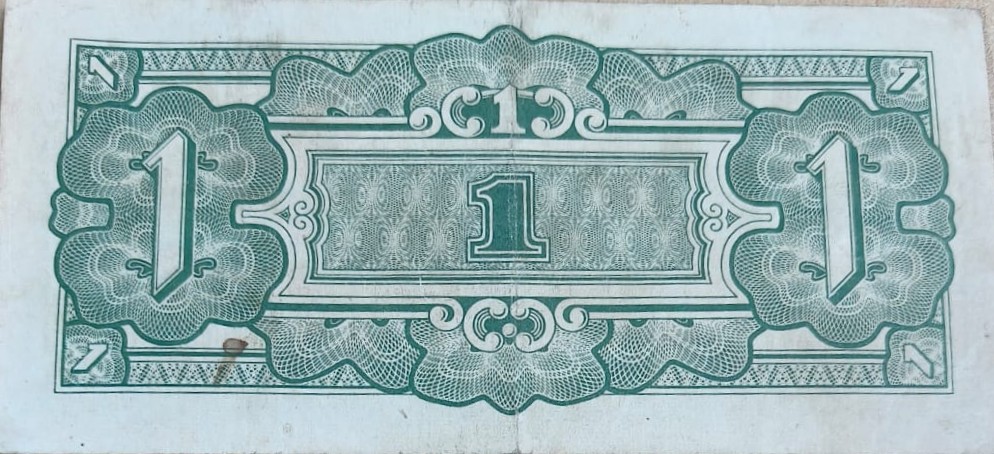
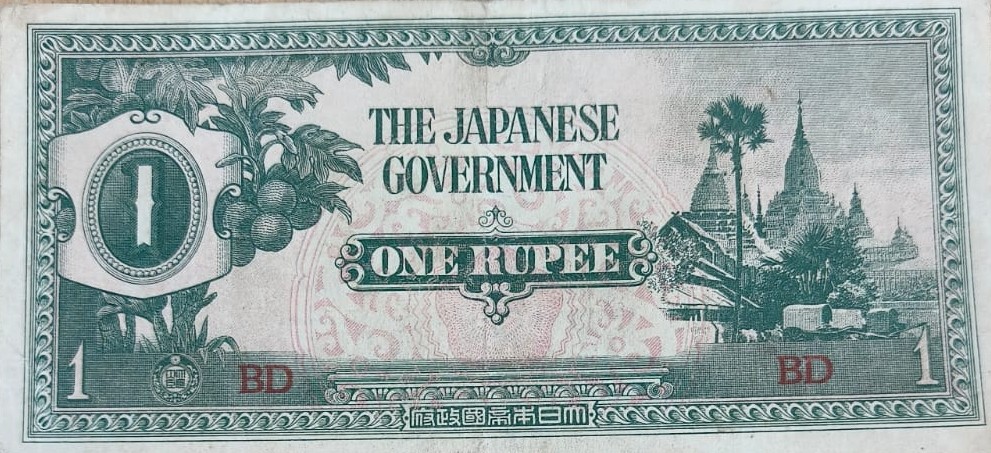
This humble One Rupee note was issued by the Japanese Government between 1942 and 1945, after Japan occupied large parts of Southeast Asia, replacing British rule and British currency.
Known today as Japanese Invasion Money or Occupation Currency, these notes were printed quickly, in massive quantities, and backed by nothing more than authority and fear.
The design shows traditional Asian temple architecture and tropical scenery – a visual attempt to make the new rulers appear familiar and legitimate.
But history had other plans.
When Japan surrendered in 1945, this money collapsed instantly. Entire life savings became paper souvenirs overnight. In some places, people used bundles of these notes as toys, wallpaper, or even fuel.
Today, this piece survives not for its monetary value, but for its story.
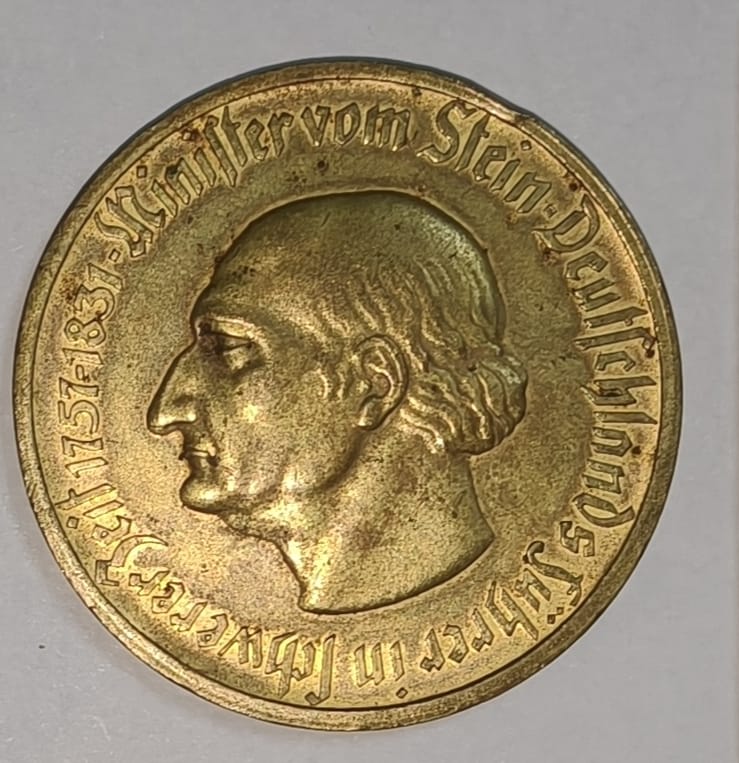
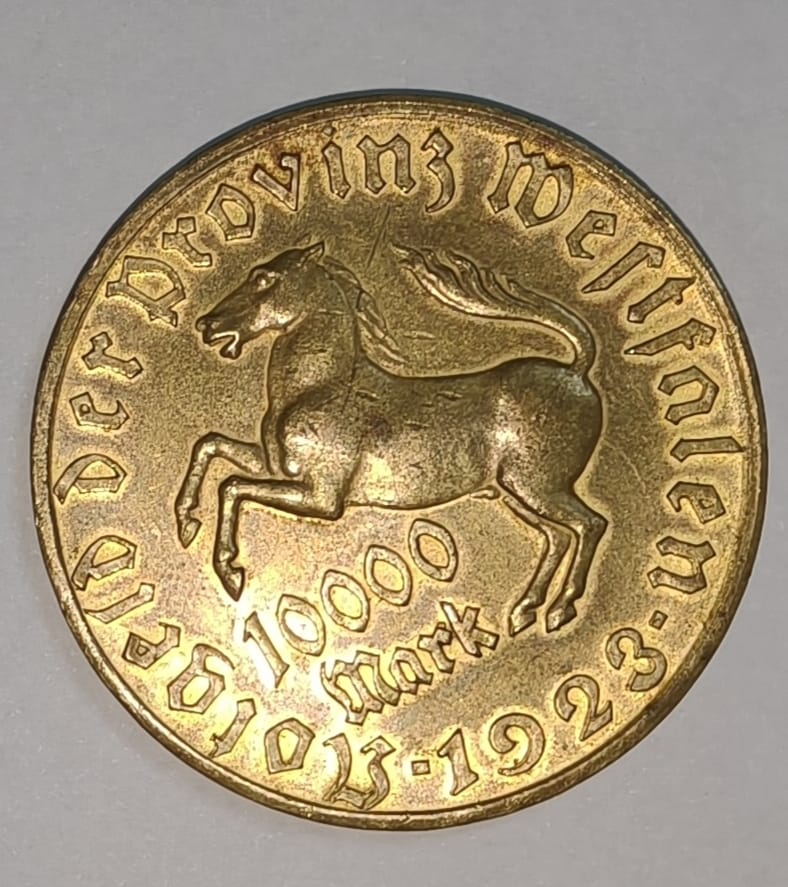
“From a time when a loaf of bread cost millions — this 10k marks 1923 Westphalia Notgeld coin wasn’t about spending, but surviving. The galloping horse symbolized courage through economic chaos.”
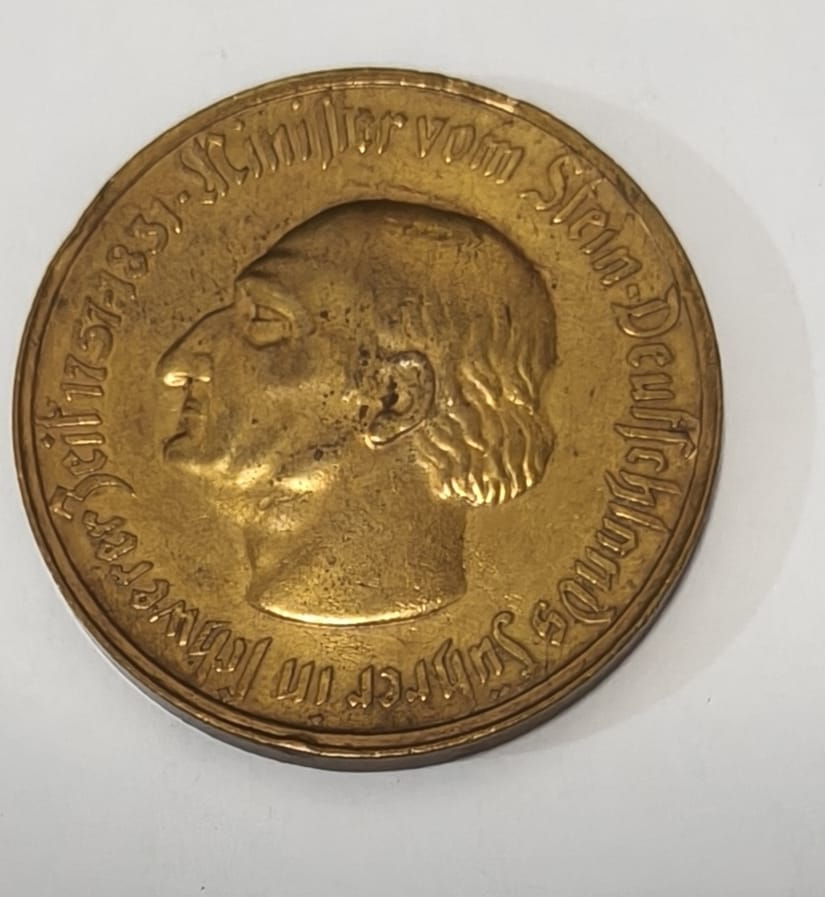
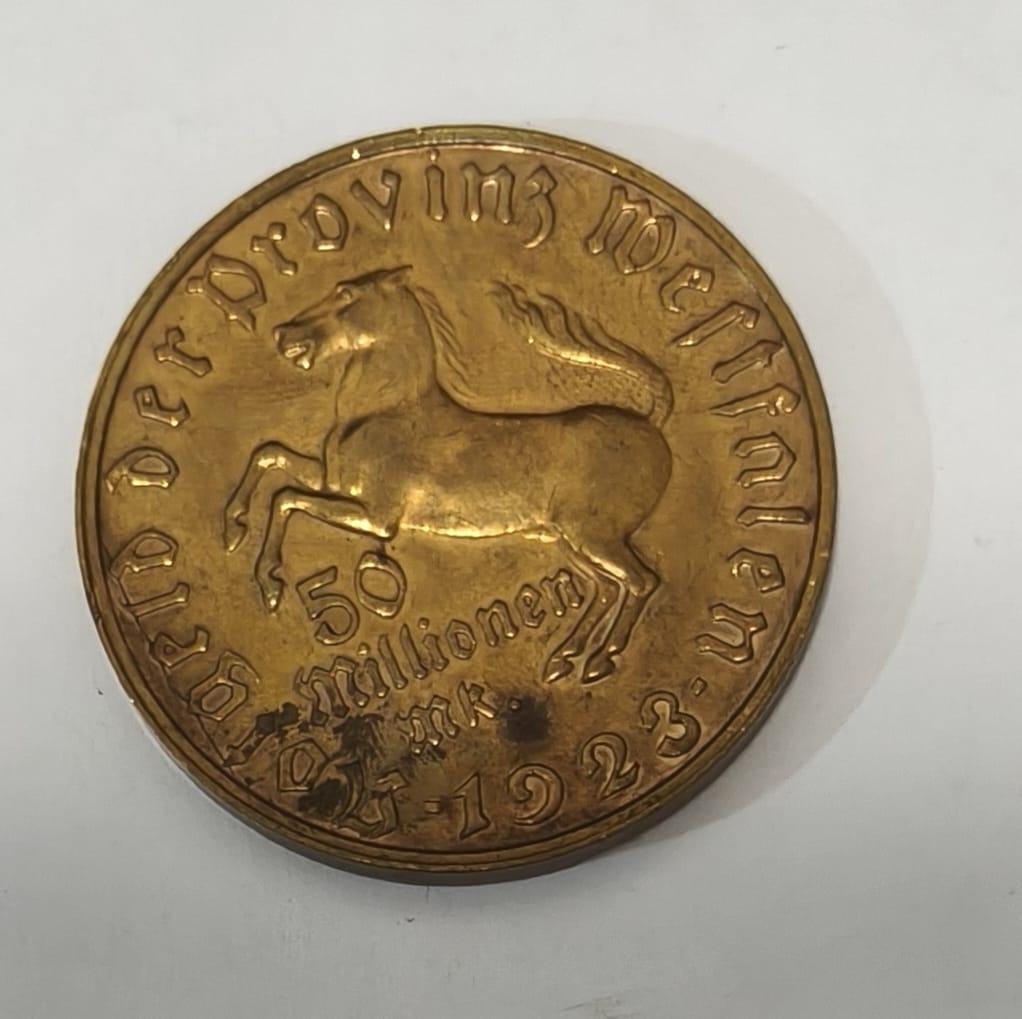
“In 1923, Westphalia’s Notgeld told a story of survival through numbers that lost meaning. From 10,000 to 50 million marks in just weeks — coins like these became artful witnesses to financial madness.”
Coin 1: Provinz Westfalen – 10,000 Mark, 1923
Notgeld Issue | Heinrich vom Stein | The Reformer’s Calm Amid Chaos
Coin 2: Provinz Westfalen – 50 Millionen Mark, 1923
Emergency Money | The Galloping Horse of Resilience
Probable thought back in 1923: When your coin says ‘50 Million Mark’ and still can’t buy breakfast — you know history’s teaching you a lesson in humility.
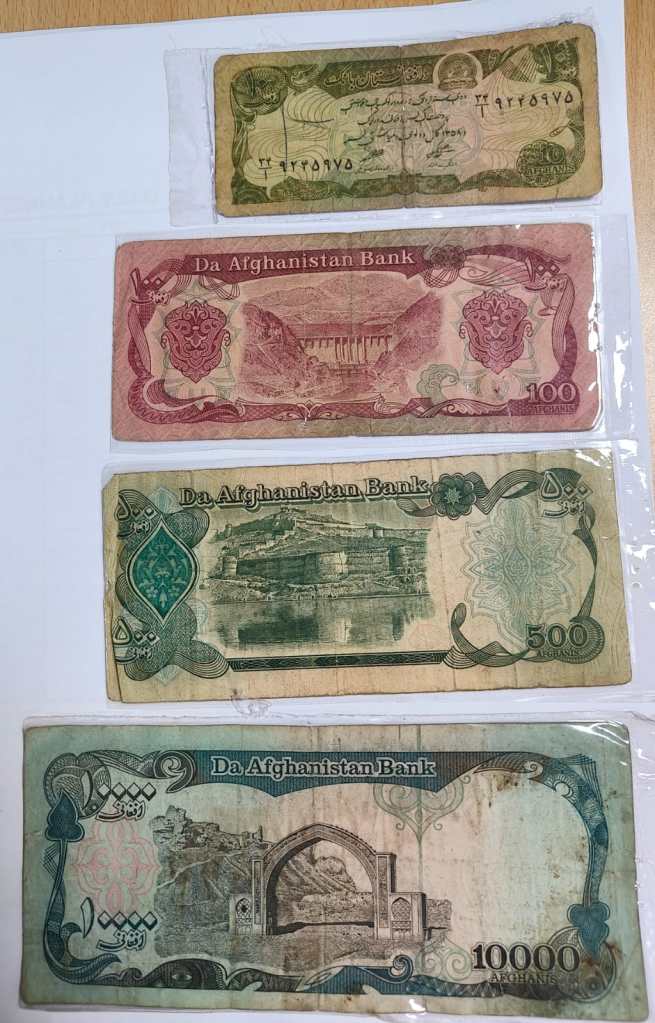
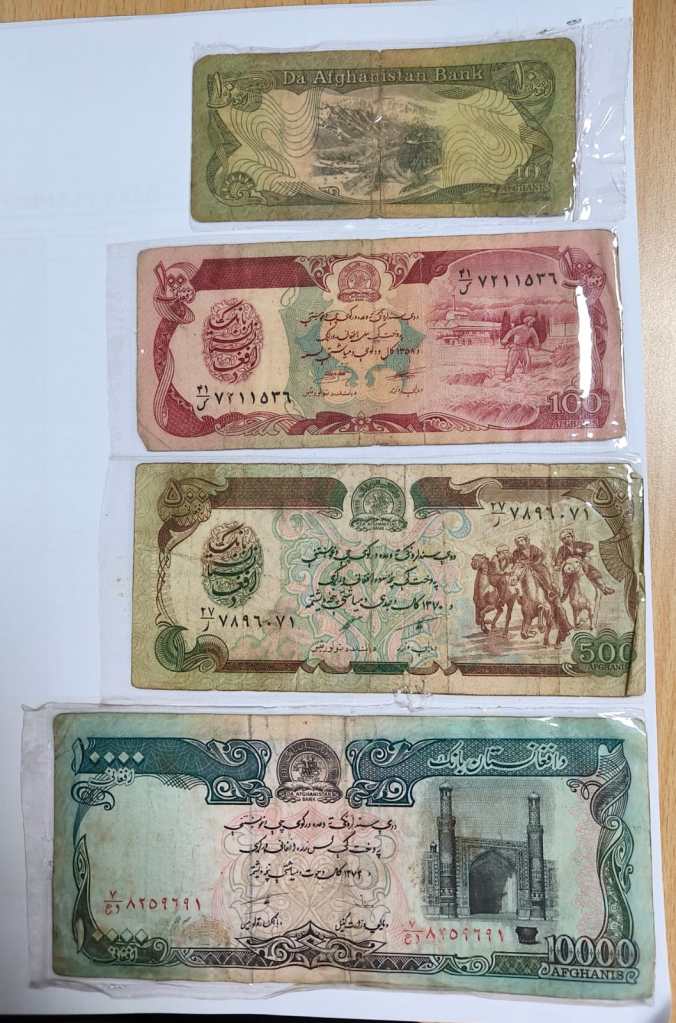
From socialist Europe to war-scarred Asia, from African pride to Latin American heritage — every currency note tells a story far richer than its printed value.
Here’s a glimpse into five countries, their art, their ideals, and their histories —all found together in a flea-market. 🪙🌍
From tranquil valleys to the mosques of Herat and the Buzkashi fields — four decades of art, resilience, and upheaval bound together by calligraphy and faith.
“A nation’s spirit, surviving revolutions, regimes, and time itself.”
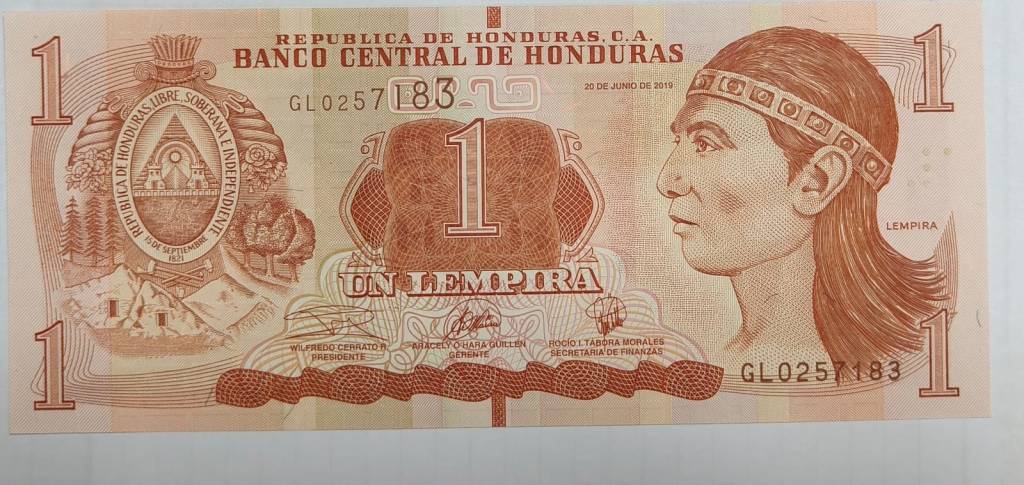
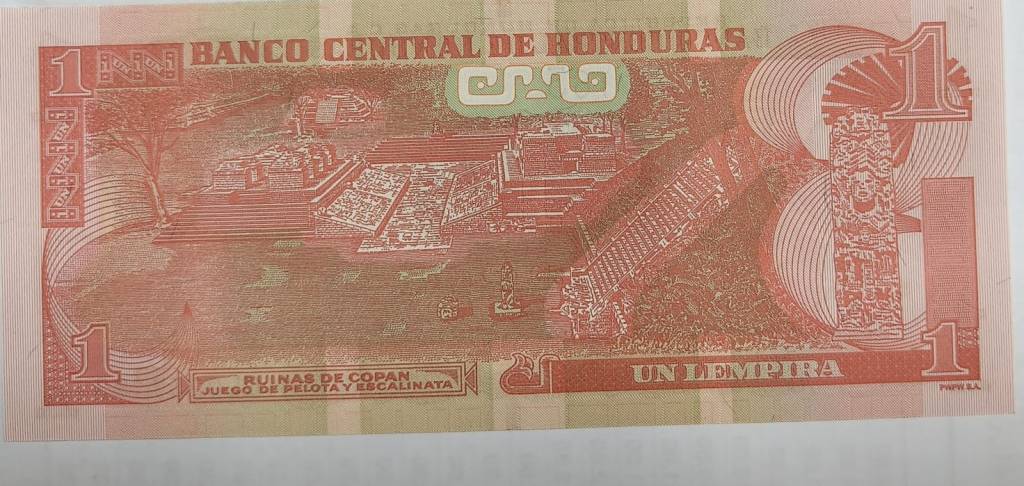
🇭🇳 Honduras | 2019 | 1 Lempira
Lempira, the warrior who resisted conquest, faces the ruins of Copán — a dialogue between courage and civilization in crimson hues.
“The warrior and the ruins — Honduras tells its story in one Lempira.”
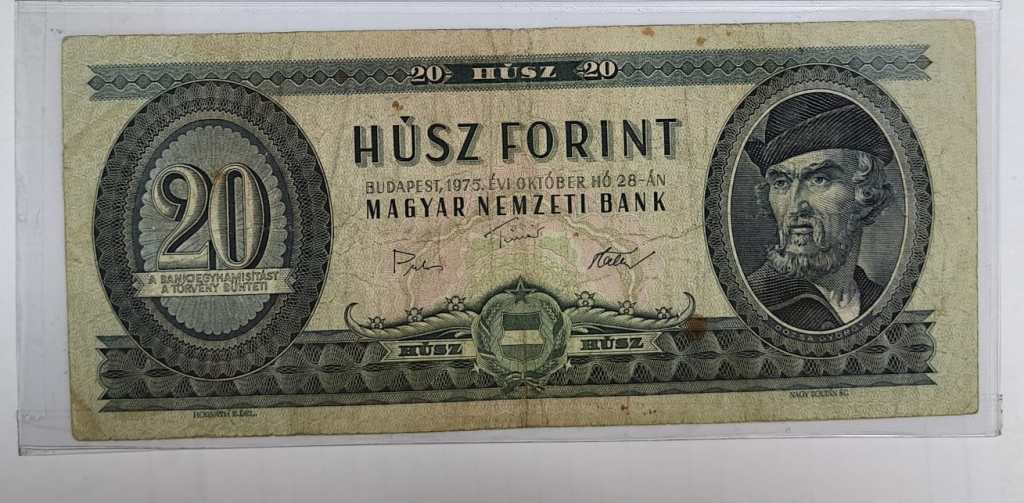
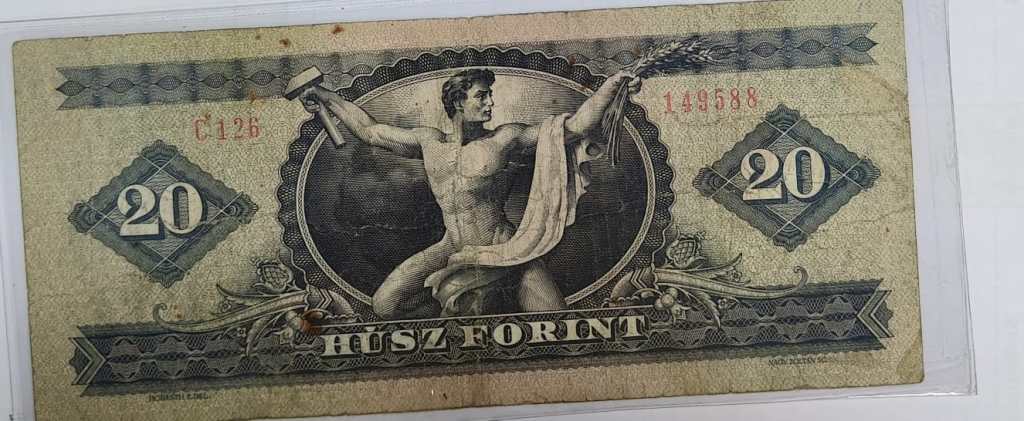
🇭🇺 Hungary | 1975 | 20 Forint
György Dózsa, the peasant rebel who defied an empire, immortalized in Cold-War engraving. Socialist design meets Renaissance drama — rebellion captured in ink.
“From rebellion to revolution — 20 Forints that spoke louder than speeches.”
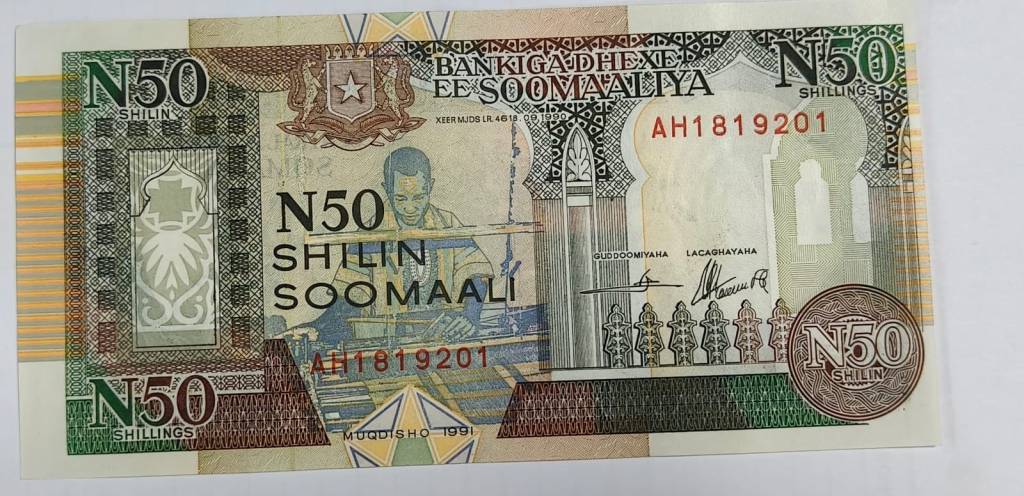
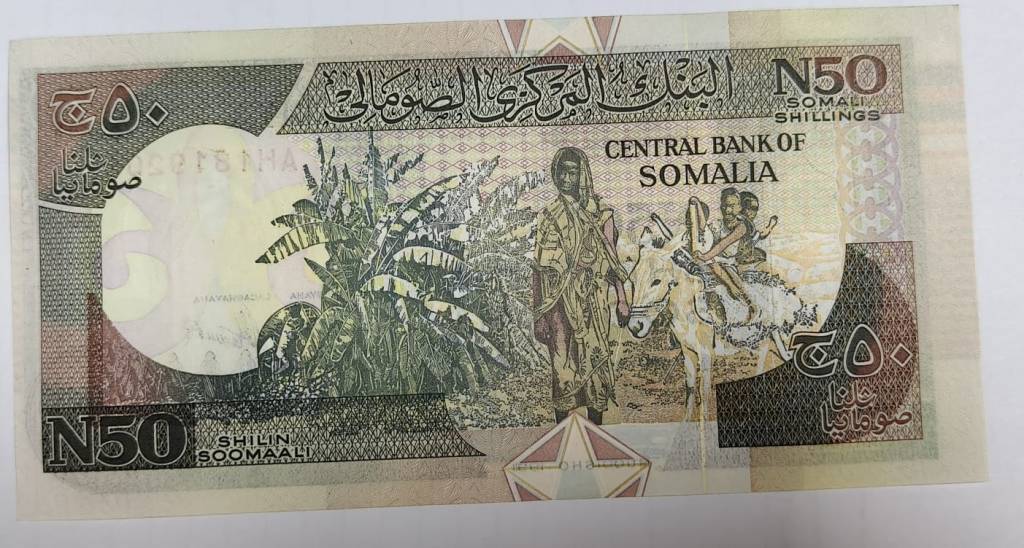
🇸🇴 Somalia | 1991 | 50 Shilin
A weaver at her loom on one side, a herder with his cattle on the other — a nation’s industry and identity before the silence of civil war.
“The final unified voice of Somalia — woven in thread, ink, and memory.”
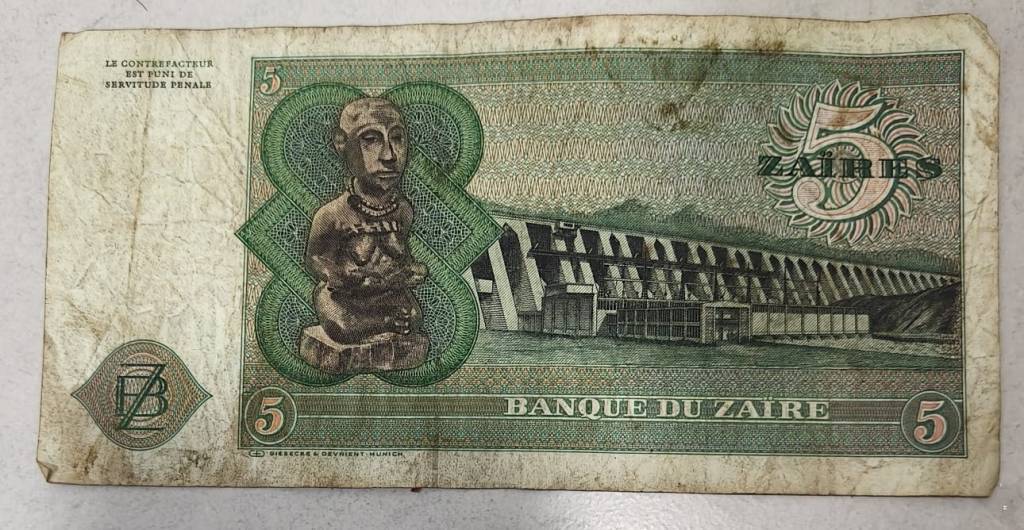
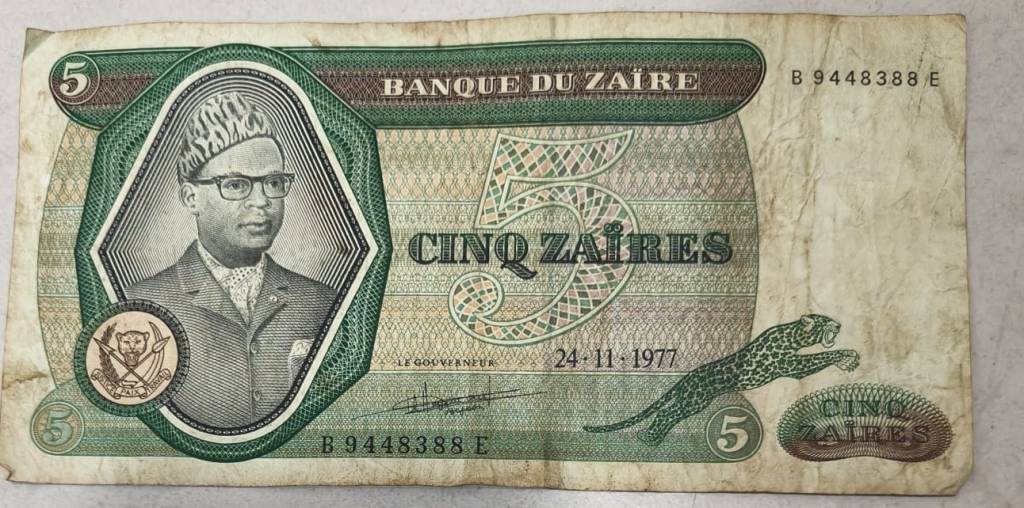
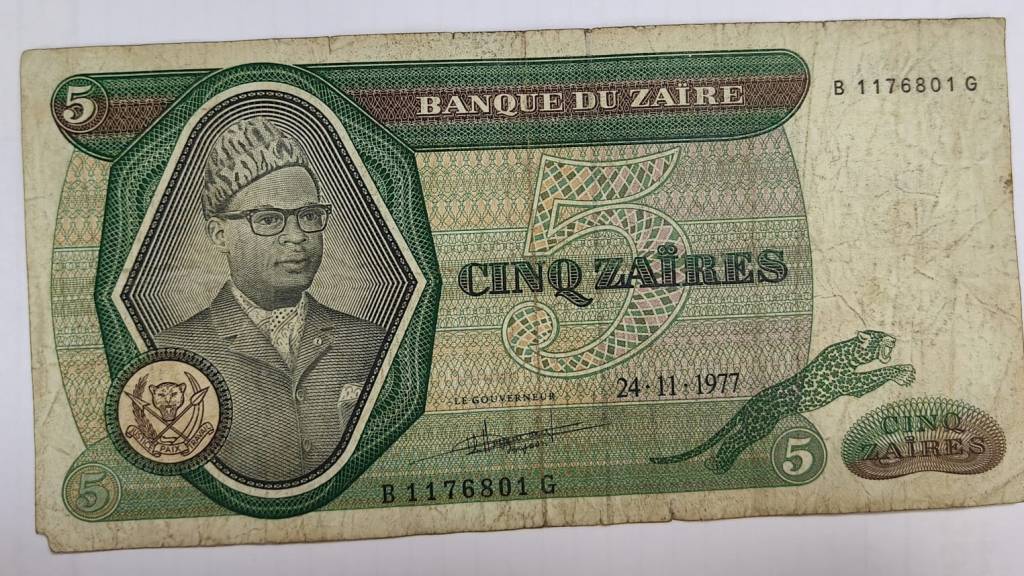
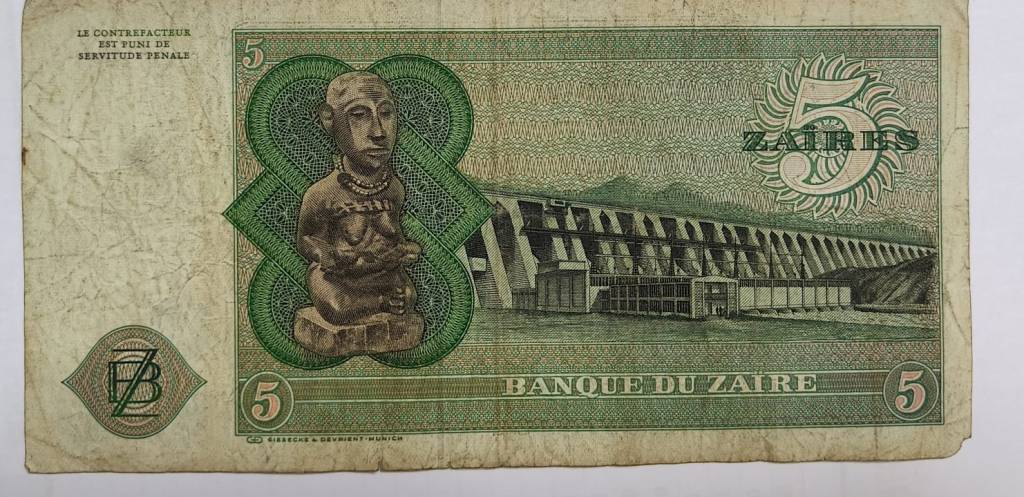
🇨🇩 Zaire | 1977 | 5 Zaires
Mobutu Sese Seko, the self-styled Leopard King, stares from the front. Behind him, a dam and a dream of progress. Power politics printed in green.
“The Leopard King’s currency — where pride and propaganda shared the same frame.”
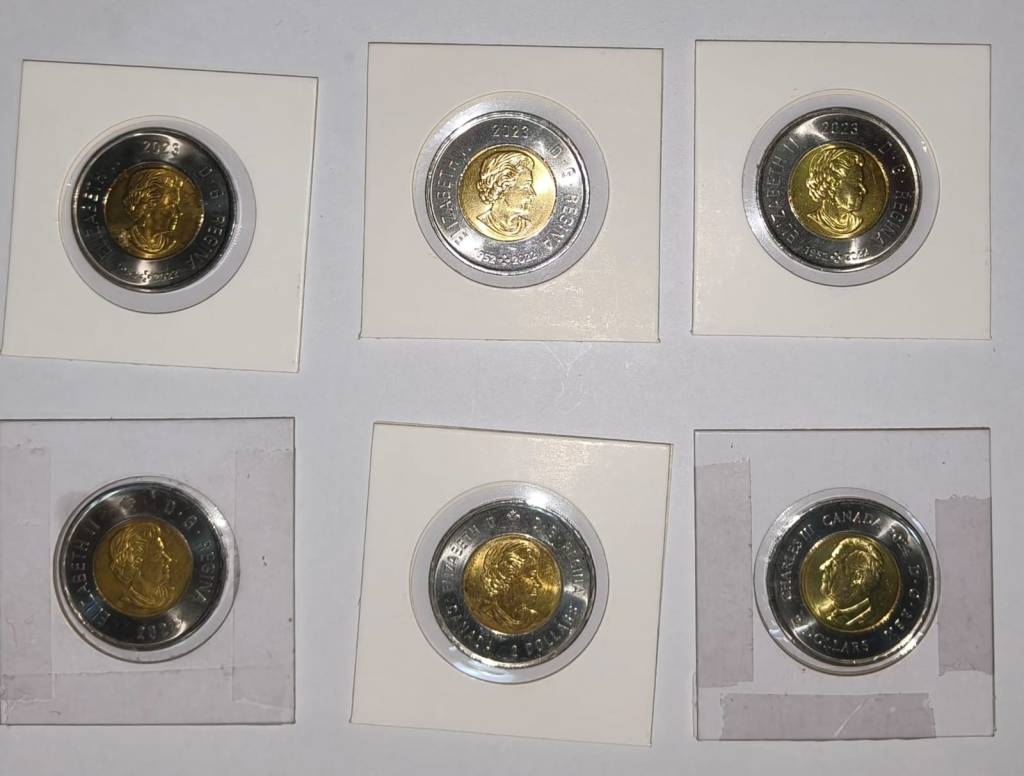
A compact chronicle of modern Canadian $2 commemoratives (“Toonies”) spanning the final years of Queen Elizabeth II into the early reign of King Charles III.
2020 WWII – 75th Anniversary of the End of WWII
2022 Summit Series – 50th Anniversary of the Summit Series
2023 Riopelle – 100 Years Birth of Jean Paul Riopelle
2023 Riopelle – 100 Years Birth of Jean Paul Riopelle
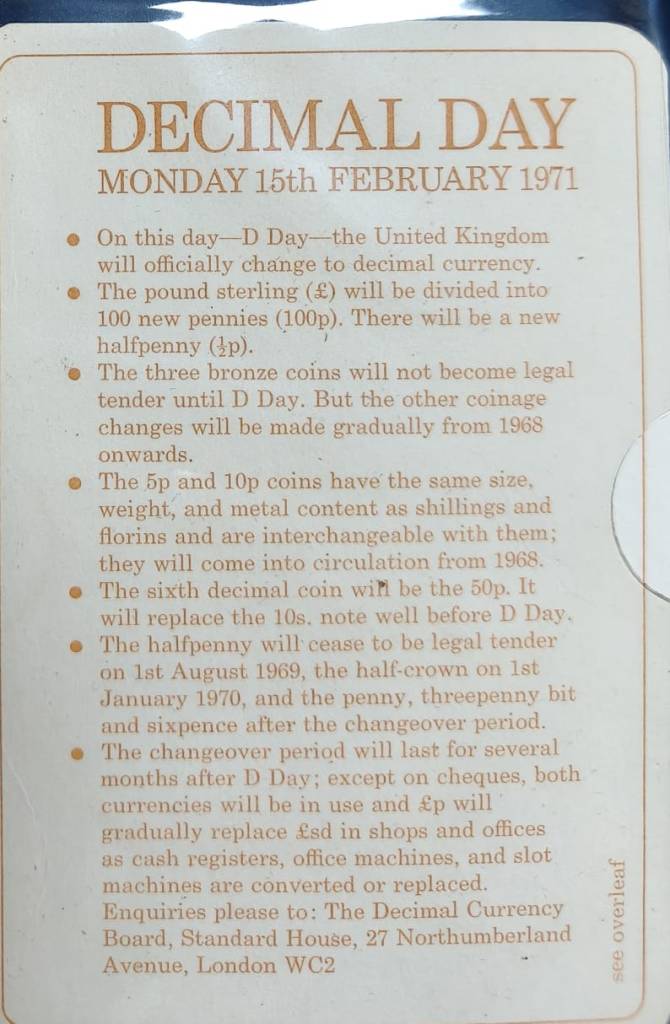
Known as “D-Day” (not the Normandy one, the money one 😅), this was the day the UK officially scrapped the old pounds–shillings–pence system and switched to decimal currency.
The old system: 1 pound (£) = 20 shillings = 240 pennies.
The new system: 1 pound (£) = 100 new pence (100p).
This made calculations way easier and brought the UK in line with most of the modern world.
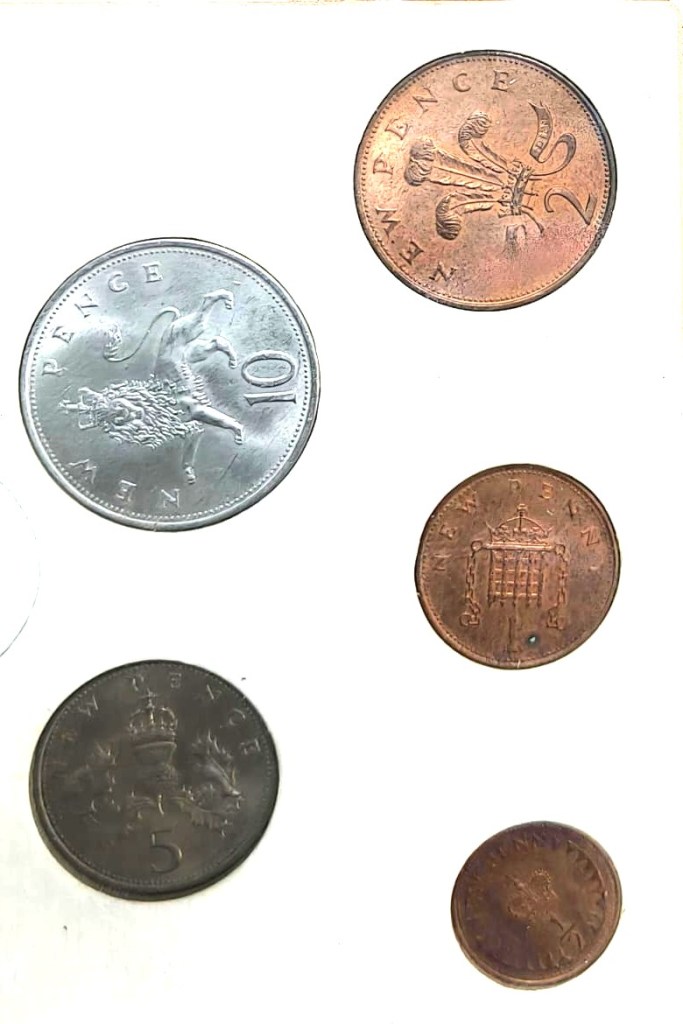
½ Penny (½p) – Bronze. The smallest coin in circulation, often called the “tiddler.” Withdrawn in 1984 because inflation made it nearly useless.
1 Penny (1p) – Bronze. Design: Portcullis with chains (a heraldic badge of Henry VII, later a symbol of Parliament).
2 Pence (2p) – Bronze. Design: Prince of Wales’ feathers with coronet.
5 Pence (5p) – Cupro-nickel. Design: Crowned thistle of Scotland. Same size as the old shilling, so people could use both coins interchangeably during the transition.
10 Pence (10p) – Cupro-nickel. Design: Crowned lion, passant guardant (lion walking, head facing you). Same size as the old florin (2 shillings).


 2020 WWII – 75th Anniversary of the End of WWII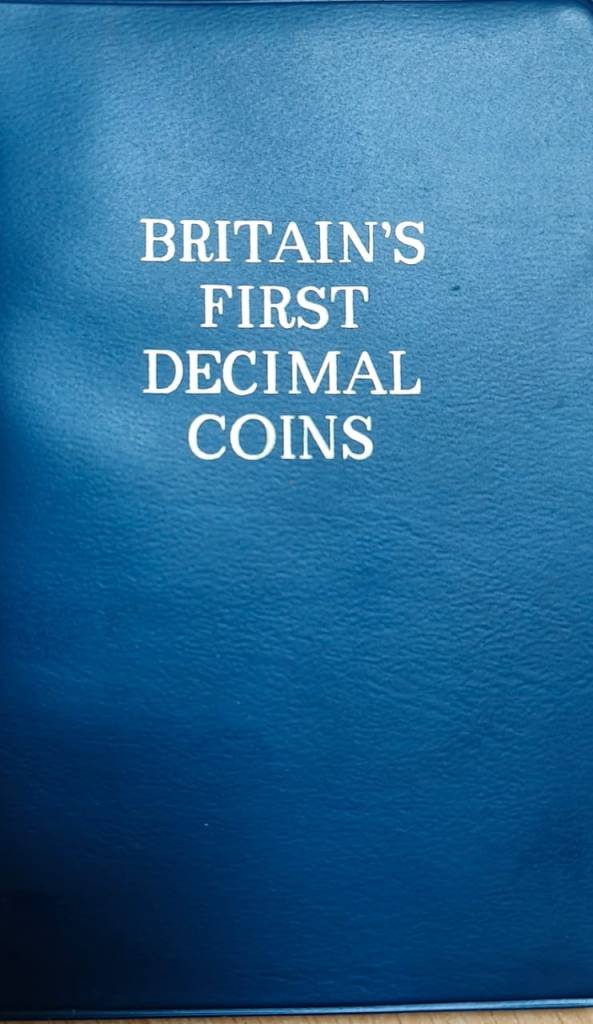
 Our Hobby Corner