From Dad’s Collection — History in His Handwriting
This is my first post from Dad’s collection since he passed away, and somehow these coins feel more precious today than they ever did before.
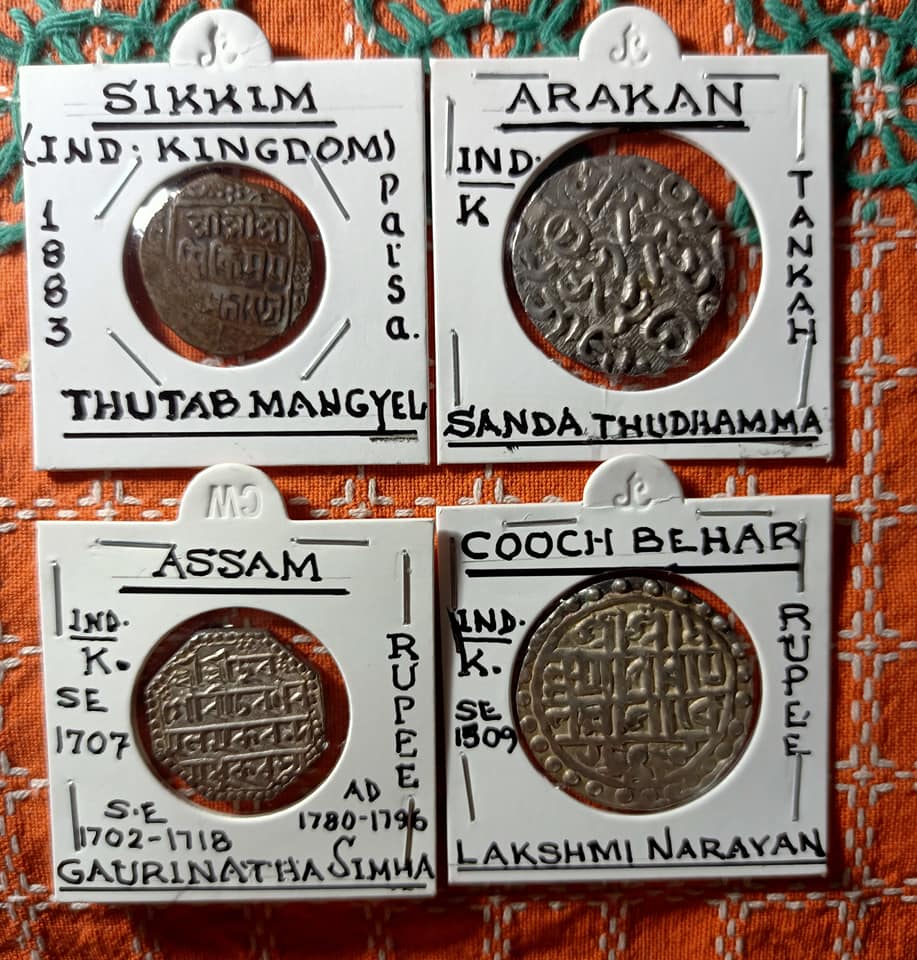
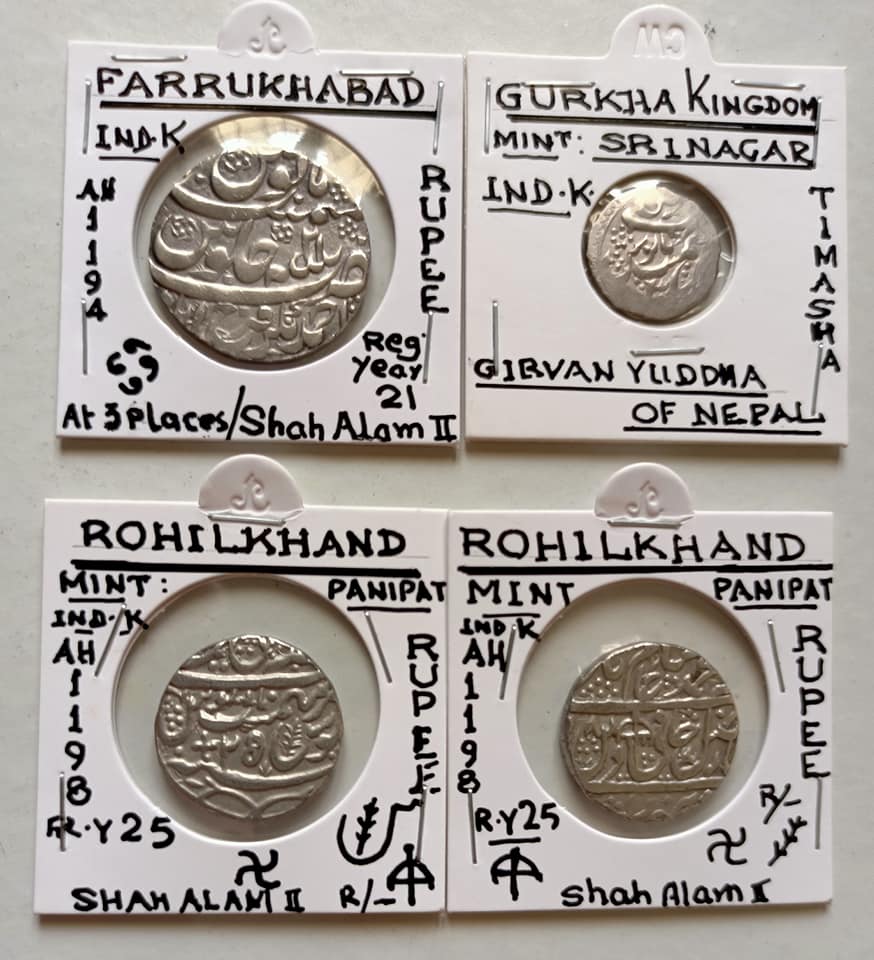
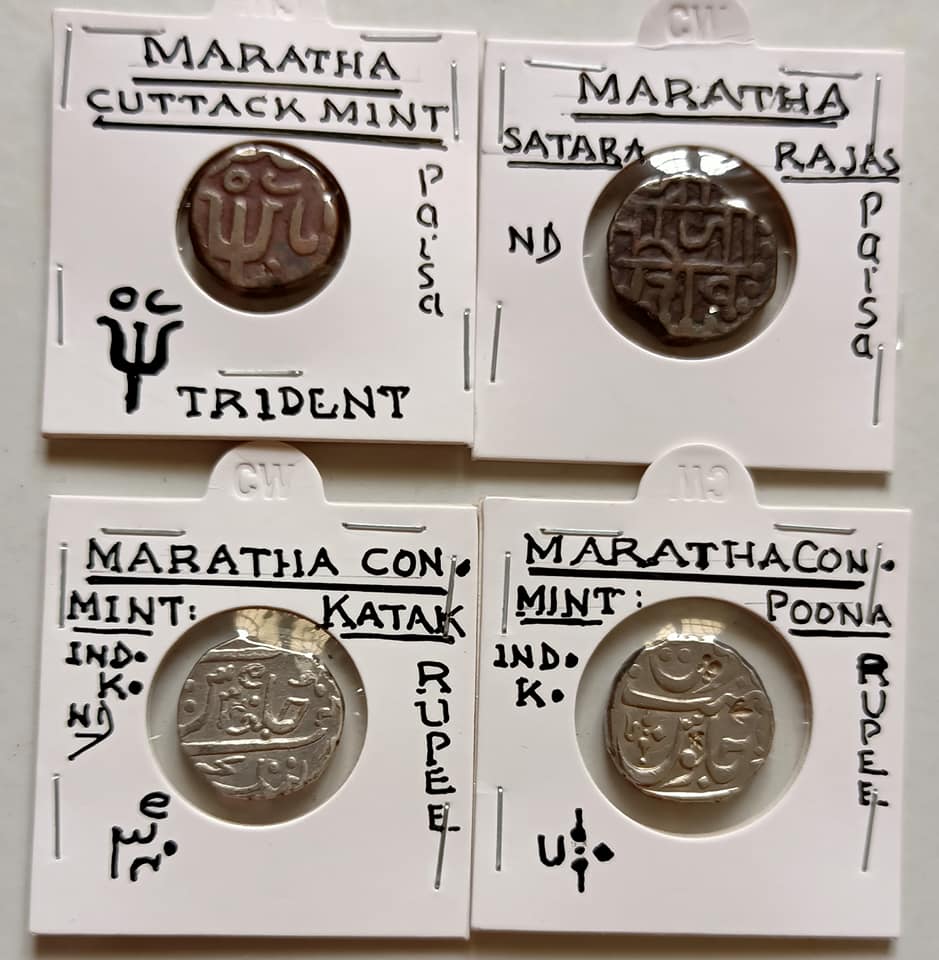
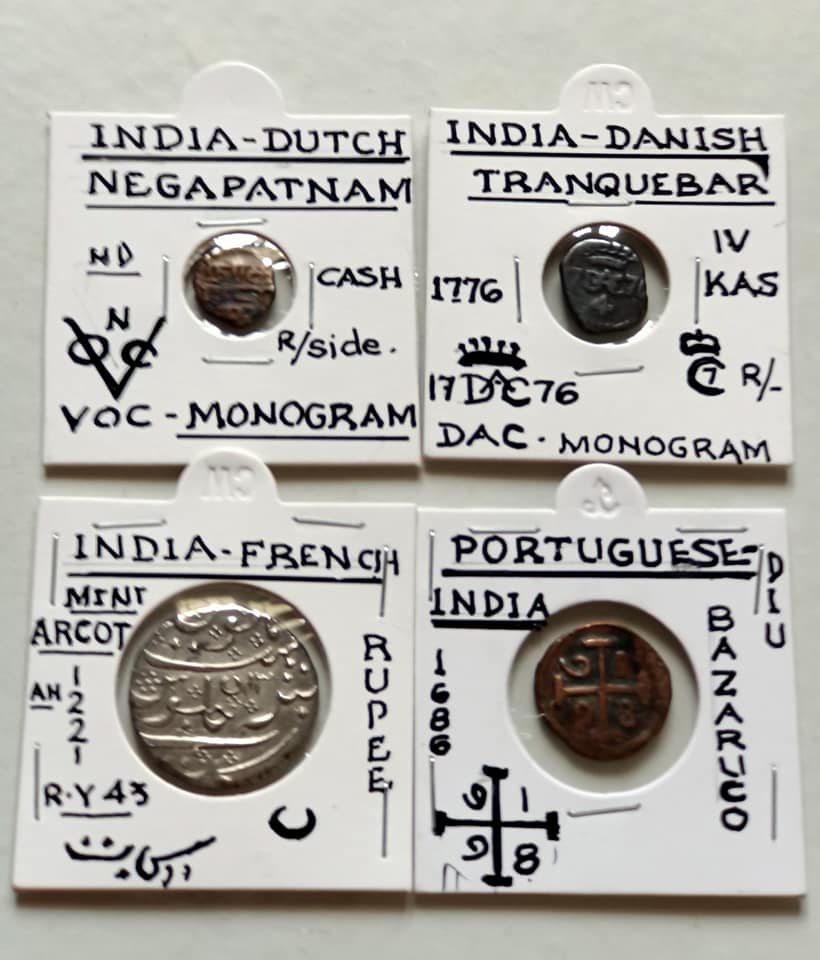
Dad never merely collected a coin. He studied it. Look closely at the holders—the kingdom, ruler, mint, regnal year, denomination, symbols and monograms, all painstakingly written by hand. Sometimes there is almost more history around the coin than there is space on the flip! 😊
These are a few fascinating pieces from his collection, spanning princely kingdoms, regional powers and European settlements in India:
🇳🇱 Dutch India — Negapatnam: A small VOC-era cash, carrying the famous VOC monogram. Tiny in size, but a wonderful reminder of the Dutch presence on India’s Coromandel Coast.
🇩🇰 Danish India — Tranquebar, 1776: A 1 Kas coin from the Danish settlement of Tranquebar. Dad carefully recorded the date and the Danish Asiatic Company (DAC) monogram.
🇫🇷 French India — Arcot: An Arcot rupee, with its beautiful flowing Persian calligraphy. A substantial silver coin representing another chapter of European involvement in Indian monetary history.
🇵🇹 Portuguese India — Bazarucos: A copper coin associated with Portuguese India, another fascinating survivor from the many currencies that once circulated along India’s trading coasts.
⚔️ Maratha — Cuttack Mint: A copper paisa distinguished by the striking trident symbol. Dad didn’t stop at identifying the coin—he drew the symbol prominently on the holder for reference.
⚔️ Maratha — Satara: Another Maratha paisa, with its bold Devanagari design. Even after centuries, much of the lettering remains remarkably expressive.
⚔️ Maratha Confederacy — Katak: A silver rupee with elegant Persian inscriptions, identified by Dad with its mint and distinguishing marks.
⚔️ Maratha Confederacy — Poona: Another silver rupee, this time attributed to Poona. Dad’s notes again record the mint and symbols that help distinguish the issue.
👑 Farrukhabad — Shah Alam II: A handsome silver rupee attributed to Farrukhabad, with Dad noting the AH date, regnal year and even the identifying symbols.
👑 Rohilkhand — Panipat: Two silver rupees of Shah Alam II, both attributed by Dad to the Panipat mint. Seeing them together is a lovely reminder of how small variations can turn two apparently similar coins into separate pieces of history.
🏔️ Gurkha Kingdom — Srinagar: A silver timasha associated with the period of Gurkha rule, another less commonly encountered corner of the subcontinent’s numismatic story.
🏔️ Sikkim, 1883 — Thutab Namgyal: A copper paisa from the Kingdom of Sikkim. Its Tibetan-style script and very different design make it stand apart beautifully from the Mughal-influenced coins beside it.
🏔️ Assam — Gaurinatha Simha: A silver rupee of the Ahom kingdom, with the distinctive Assamese script and octagonal form—a wonderful example of India’s extraordinary regional coinage.
👑 Cooch Behar — Lakshmi Narayan: A silver rupee from the Cooch Behar kingdom, its compact script filling virtually the entire coin. Another small piece carrying a surprisingly large amount of history.
🏔️ Arakan — Sanda Thudhamma: Perhaps one of the most visually intriguing pieces here, reflecting the coinage traditions of the Arakan kingdom and the wider historical links across India’s eastern frontier.
And that is what makes these special to me now.
I always find it so awesome: Dad’s handwriting, his research, his little symbols and annotations, and the curiosity that made him look at a centuries-old piece of metal and ask, “What story does this tell?”


Leave a Reply