Blog

  • Matchbox labels: British motoring history

    Matchbox labels: British motoring history

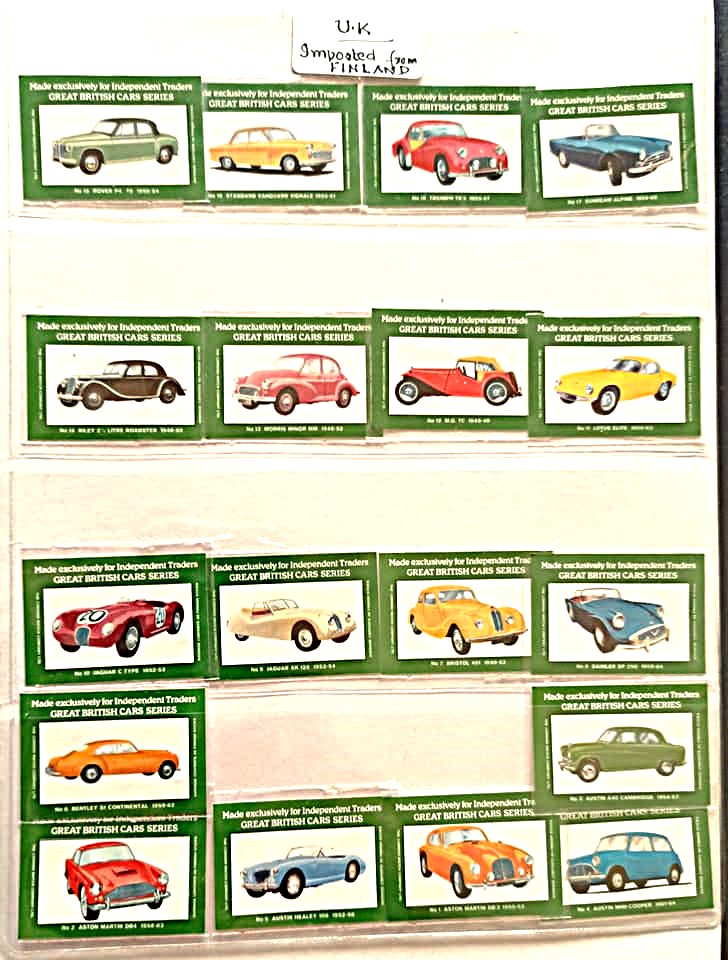
    Here’s a quirky little gem from our collection – the “Great British Cars Series” matchbox labels, made exclusively for Independent Traders. Though designed in the U.K., these beauties were actually printed in Finland and imported – a perfect example of how even humble matchbox labels carried stories across borders.

    Each tiny label is a snapshot of motoring history – from the Morris Minor (1948–71) and Jaguar E-Type (1961–74) to the Aston Martin DB5 (1963–65) (yes, James Bond’s favorite ride!). Every piece of artwork is like a mini-poster, celebrating the golden era of British car design.

    What I love about these is the double niche factor – a crossroad of philumeny (matchbox label collecting) and automobilia (classic car memorabilia). They may have been traded casually once upon a time, but today they’re a rolling museum in miniature.

    💡 Fun fact: These labels were never on actual matchboxes you’d light at home – they were made only for collectors. That’s why they survive so well in sets like this.
    Sometimes, the smallest things spark the biggest nostalgia. 🔥

  • Coin: German Notgeld

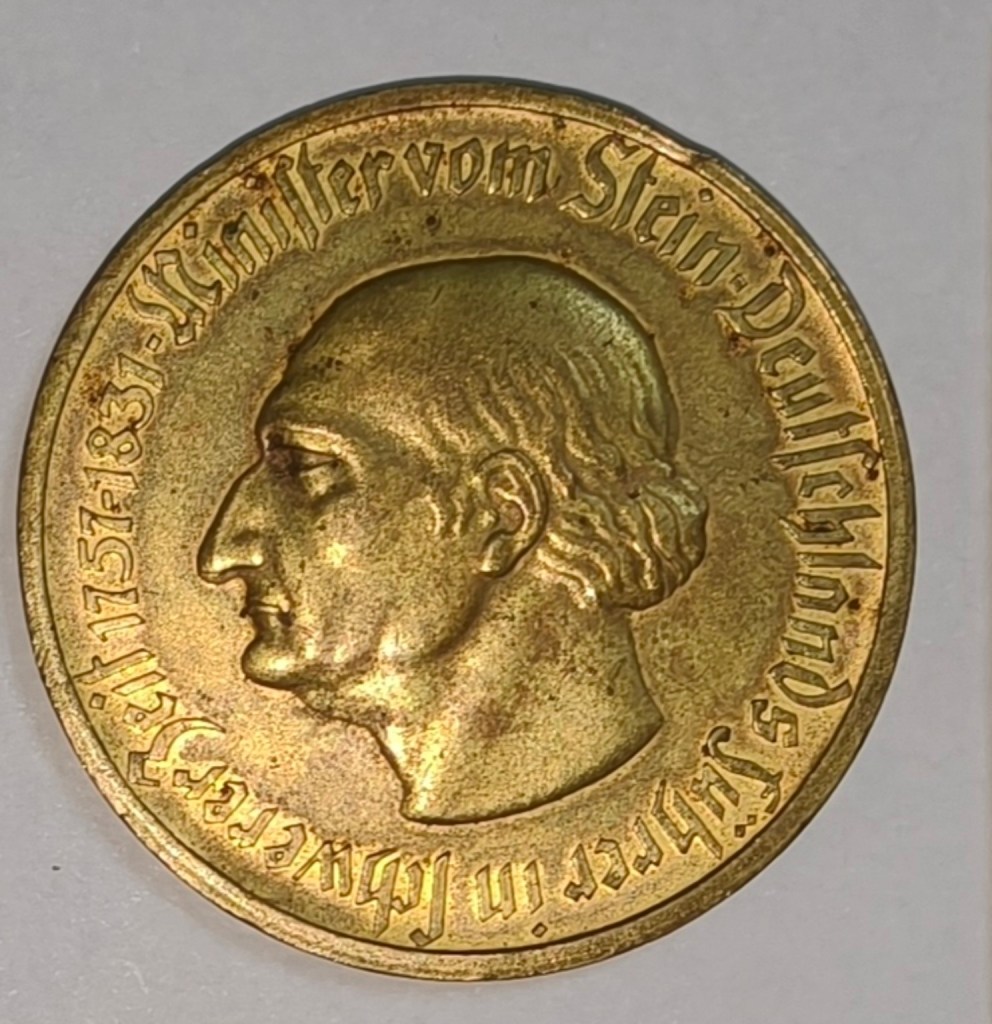
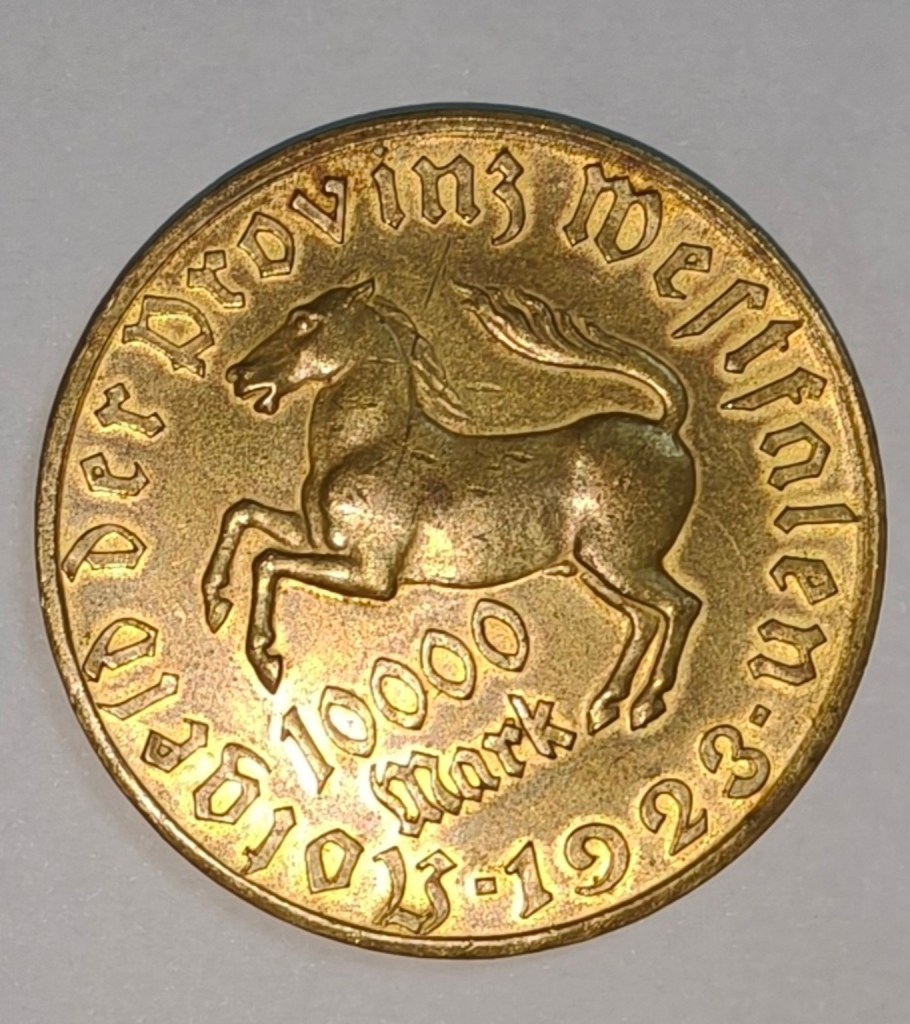
    Just got this gem days back. German Notgeld coin/token from 1923, issued by the Province of Westphalia during the hyperinflation crisis of the Weimar Republic.

    Obverse (front): Bust of Heinrich Friedrich Karl vom und zum Stein (1757–1831), a Prussian statesman and reformer. The inscription reads:
    “Freiherr vom Stein – Deutschlands Retter in schwerer Zeit 1757–1831”
    (“Baron vom Stein – Germany’s savior in difficult times”).

    Reverse (back): The Westphalian horse (traditional heraldic symbol of the province). Inscription:“Notgeld der Provinz Westfalen – 1923 – 10000 Mark”

    Represents the wildest inflation period in modern history.

    We have only a few notgeld coins in our collection, so this is a nice add.

  • Currency Note: Australia

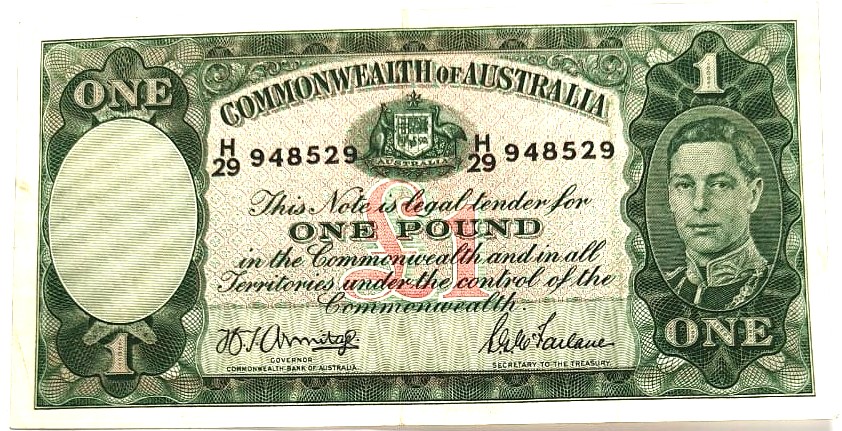
    Commonwealth of Australia – One Pound (King George VI).

    The first £1 to feature King George VI, making it the start of that particular design lineage.

    Period: Issued between 1938–1952 by the Commonwealth Bank of Australia.

    Obverse (front):

    Portrait of King George VI in military uniform on the right.

    The Australian Coat of Arms at the top.

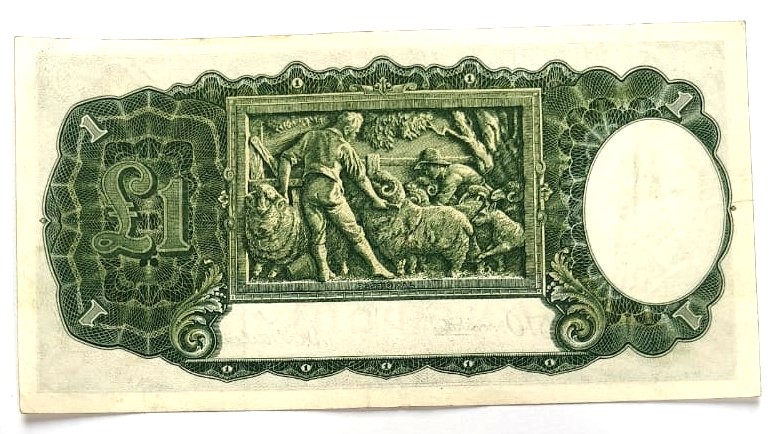
    Reverse (back):

    Depicts a pastoral scene — a shepherd with sheep and working dogs (classic Aussie sheep station vibes 🐑🐕).

    Intricate guilloche patterns in green.

    (New addition to collection)

  • Coins: Ancient

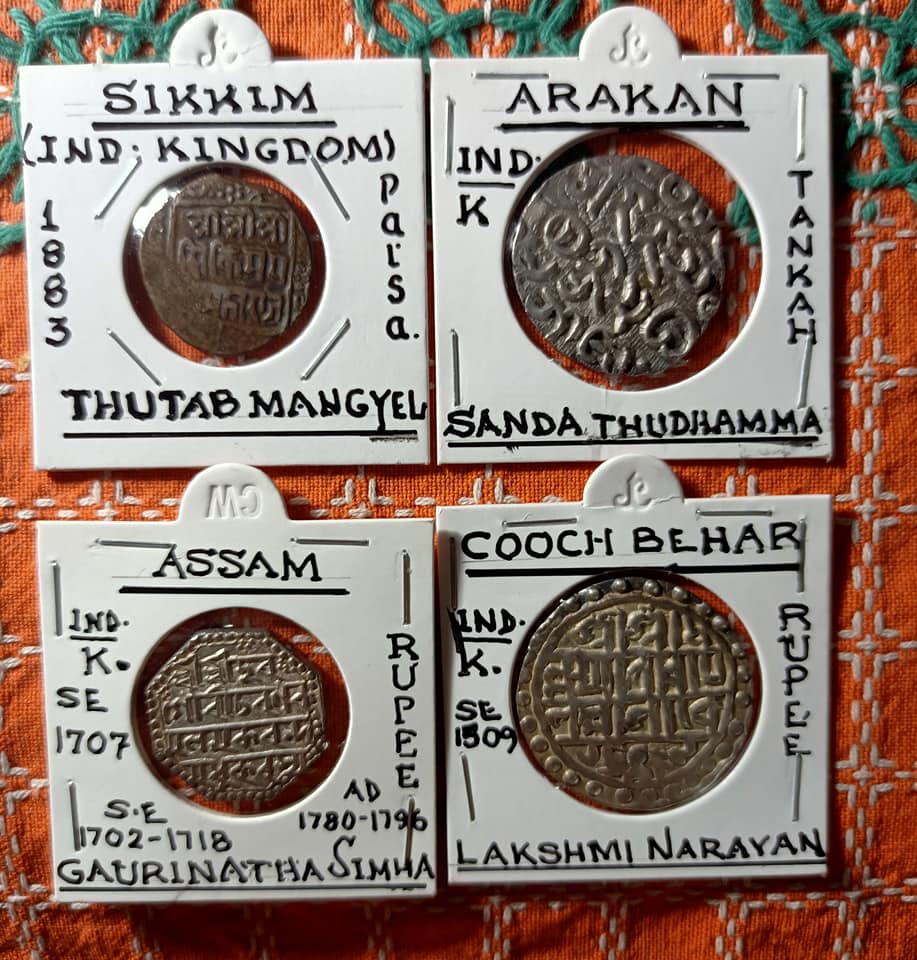
    First Image (Top 4 Coins):


    1. Sikkim – Thutob Namgyel (1883)
    Coin: Paisa. These paisa coins were struck in copper and occasionally in billon. They usually have Tibetan script.


    2. Arakan – Sanda Thudhamma (1652–1684 approx.)
    Coin: Tanka (silver). Details: Arakan (now Rakhine, Myanmar) issued Indo-Arabic style coins under Sanda Thudhamma.

    3. Assam – Gaurinatha Simha (1780–1796)

    Coin: Rupee, SE 1707 (1702–1718 SE calendar)
    Details: Issued during the Ahom dynasty. Gaurinatha Simha’s reign was turbulent, which makes his coinage historically significant.


    4. Cooch Behar – Lakshmi Narayan (1587–1621)
    Coin: Rupee, SE 1509
    Details: Early Mughal-style coinage but locally minted in Cooch Behar (Bengal region).
    ________________________________________
    Second Image (Next 4 Coins)
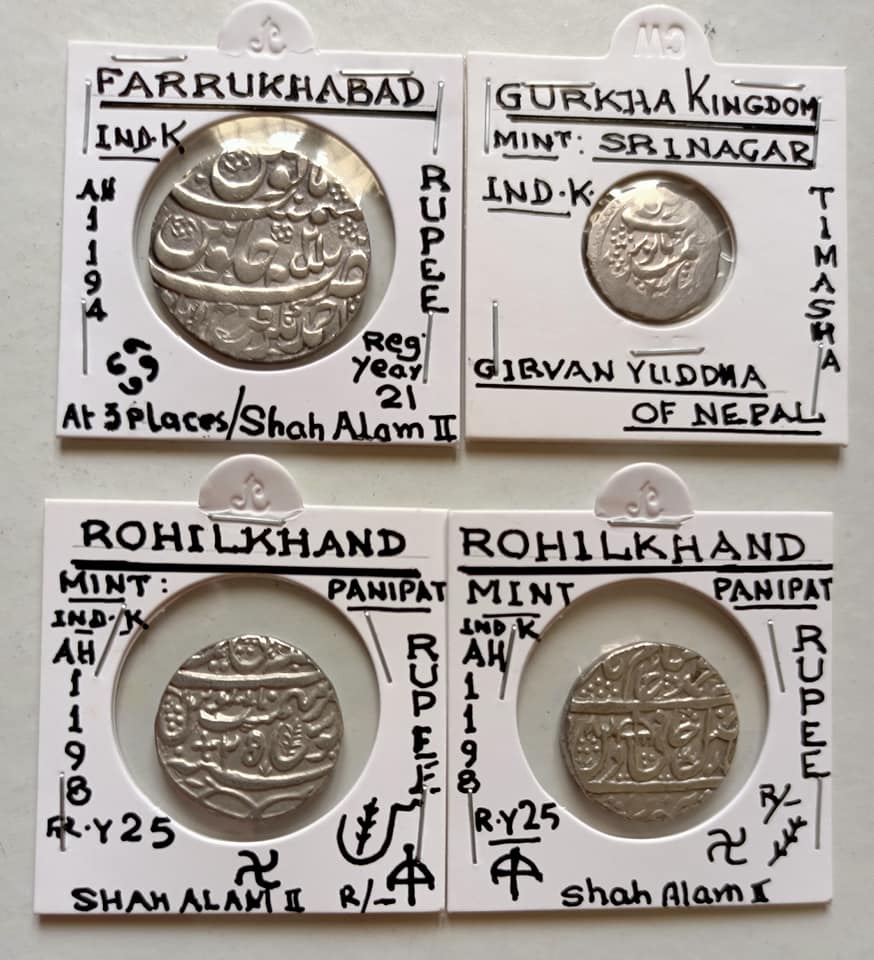
    1. Farrukhabad – Shah Alam II (Regnal Year 21, ~1778 AD)
    Coin: Silver rupee, struck at Farrukhabad mint
    Details: Mughal Emperor Shah Alam II’s coins were minted widely across North India.

    2. Gurkha Kingdom – Jiban Yuddha of Nepal (c. early 19th century)
    oCoin: Timasha (a denomination, usually silver)
    Details: Issued at Srinagar mint, these coins reflect Nepal’s brief expansion into parts of India. The “Gurkha” series is rare and highly collectible.

    3. Rohilkhand – Shah Alam II (AH 1193 / 1779 AD)
    Coin: Rupee, Panipat Mint
    Details: Rohilkhand (modern UP region) was semi-autonomous but struck Mughal-style coins. The Panipat mint pieces are notable since Panipat was the site of three famous battles in Indian history.

    4. Rohilkhand – Shah Alam II (AH 1198 / 1784 AD)
    Coin: Rupee, Panipat Mint
    Details: Another Panipat rupee of Shah Alam II, slightly later regnal year. The calligraphy and mint marks distinguish one piece’s rarity/value from another.

  • Coin: Muscat and Oman(the last missing coin in our set of Muscat & Oman)

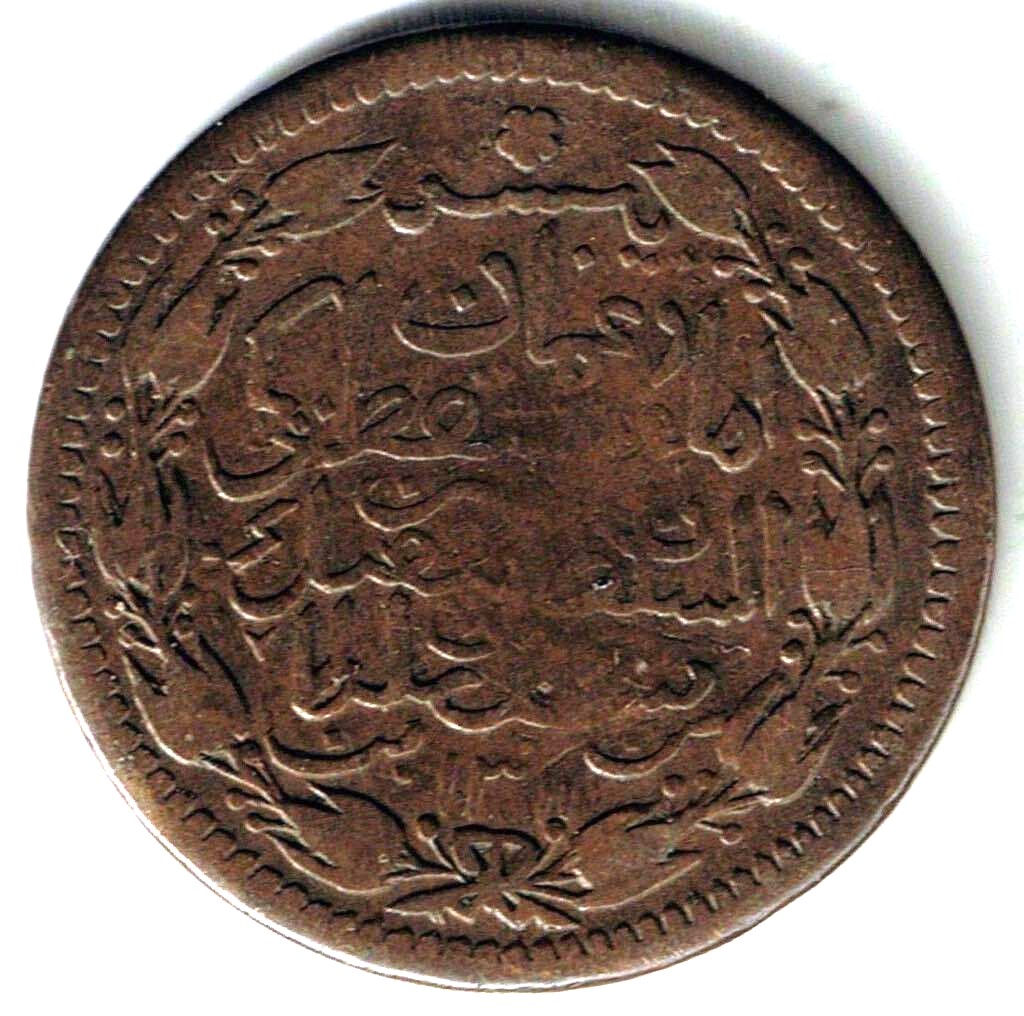
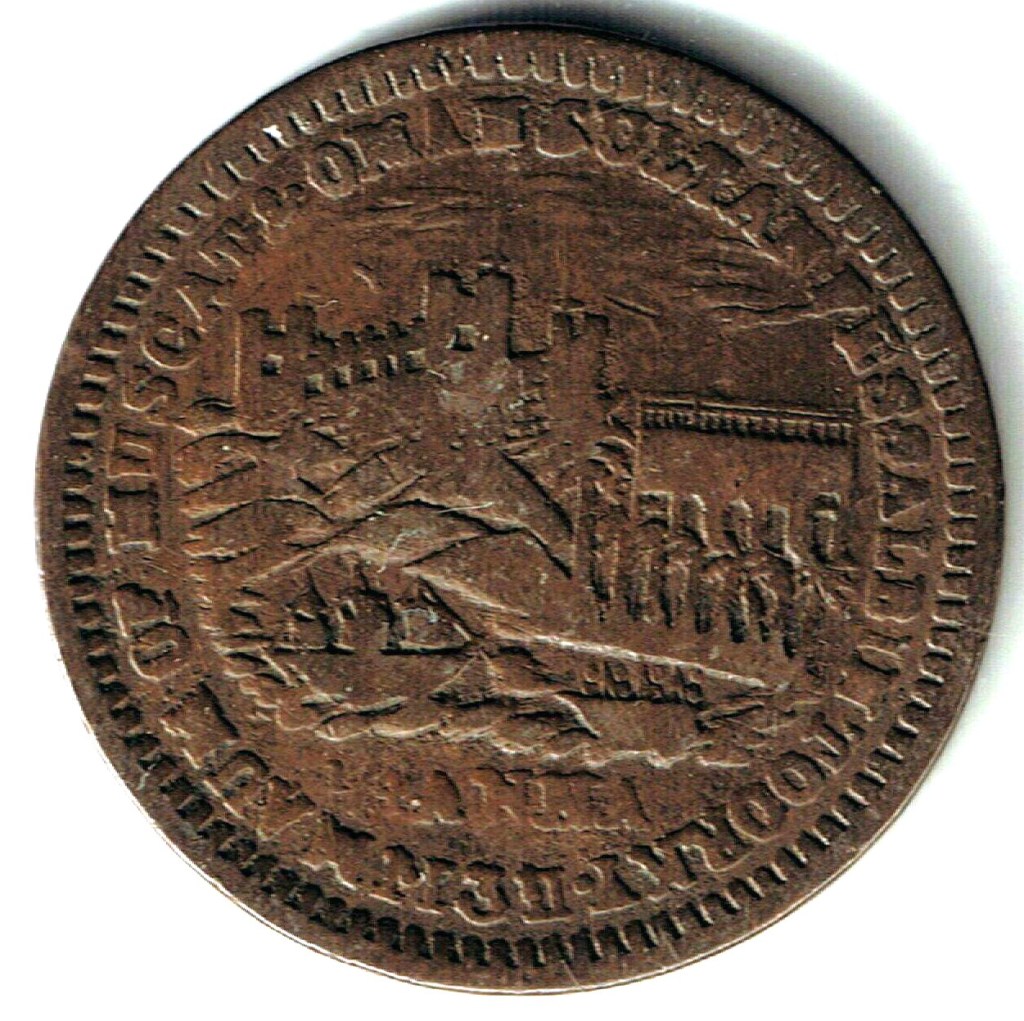
    #Coin: #Ancient :Muscat & Oman – ¼ Anna (Copper), ca. 1890s–1900s.

    Obverse (third pic): Arabic inscriptions mentioning Sultan Faisal bin Turki.

    Reverse (fourth pic): English legend “Sultanate of Muscat & Oman” with fort, palm trees, dhow (boat), and mountains — one of the most charmingly “local” coin designs.

    History: Issued during Oman’s protectorate period under British influence. The fort likely represents Muscat harbor.

    Metal: Copper, ¼ Anna denomination.

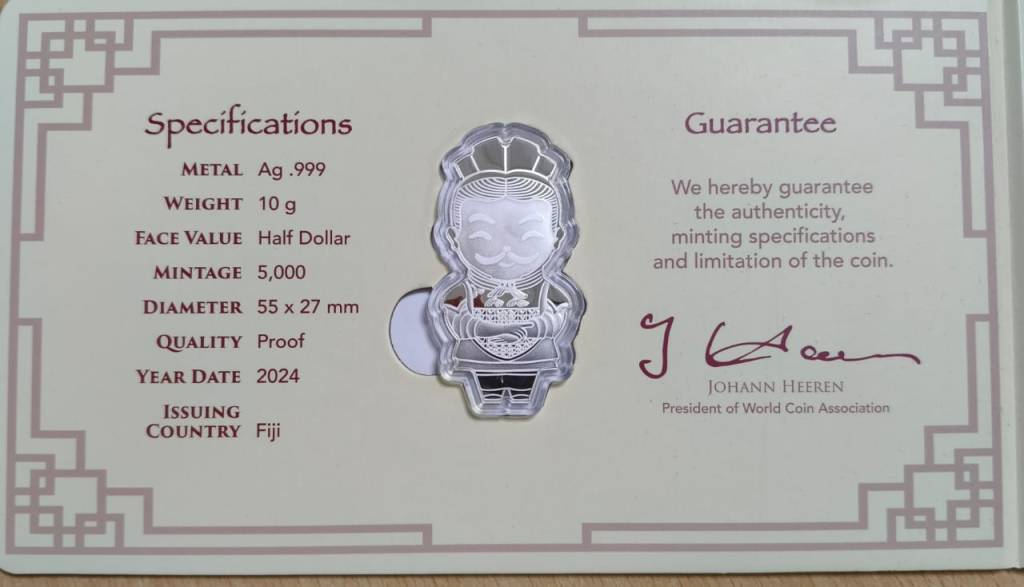
  • Coin: Issuing Country: Fiji (a popular issuing nation for thematic collectibles)

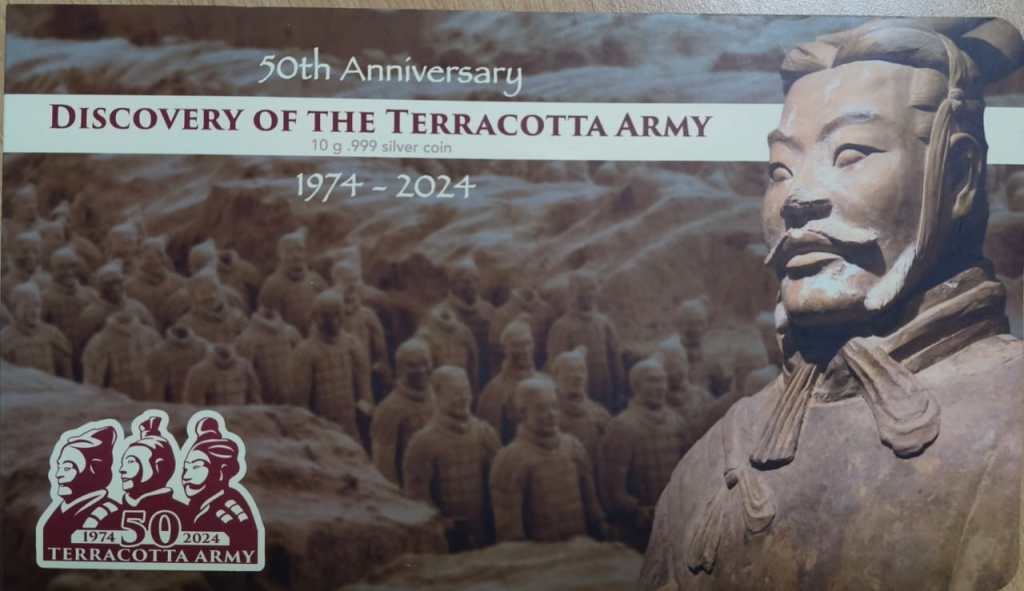
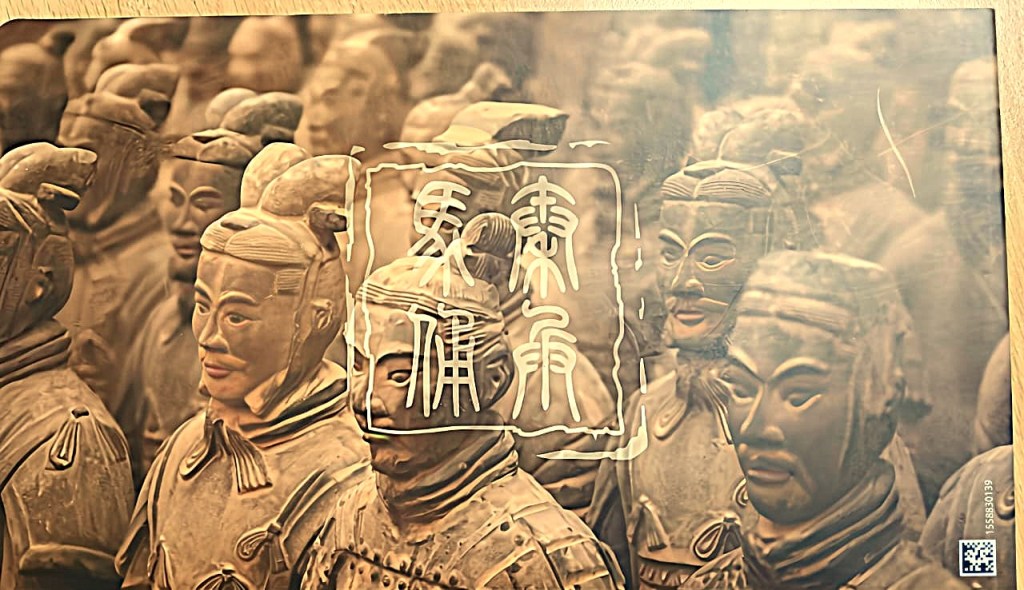
    This coin celebrates the 50th Anniversary of the Discovery of the Terracotta Army (1974–2024).

    The Terracotta Army was unearthed in 1974 near Xi’an, China, when farmers accidentally discovered the pits while digging a well.

    The find is considered one of the greatest archaeological discoveries of the 20th century, tied to Emperor Qin Shi Huang (China’s first emperor, 259–210 BCE).

    The army, with thousands of life-sized soldiers, horses, and chariots, was buried to guard his tomb and symbolize imperial power in the afterlife.

    The coin: Obverse (front):

    Shaped like a Terracotta Warrior in a stylized, almost cartoonish/Chibi representation.


  • Coins: Rare

    Topic: Coins: Rare:

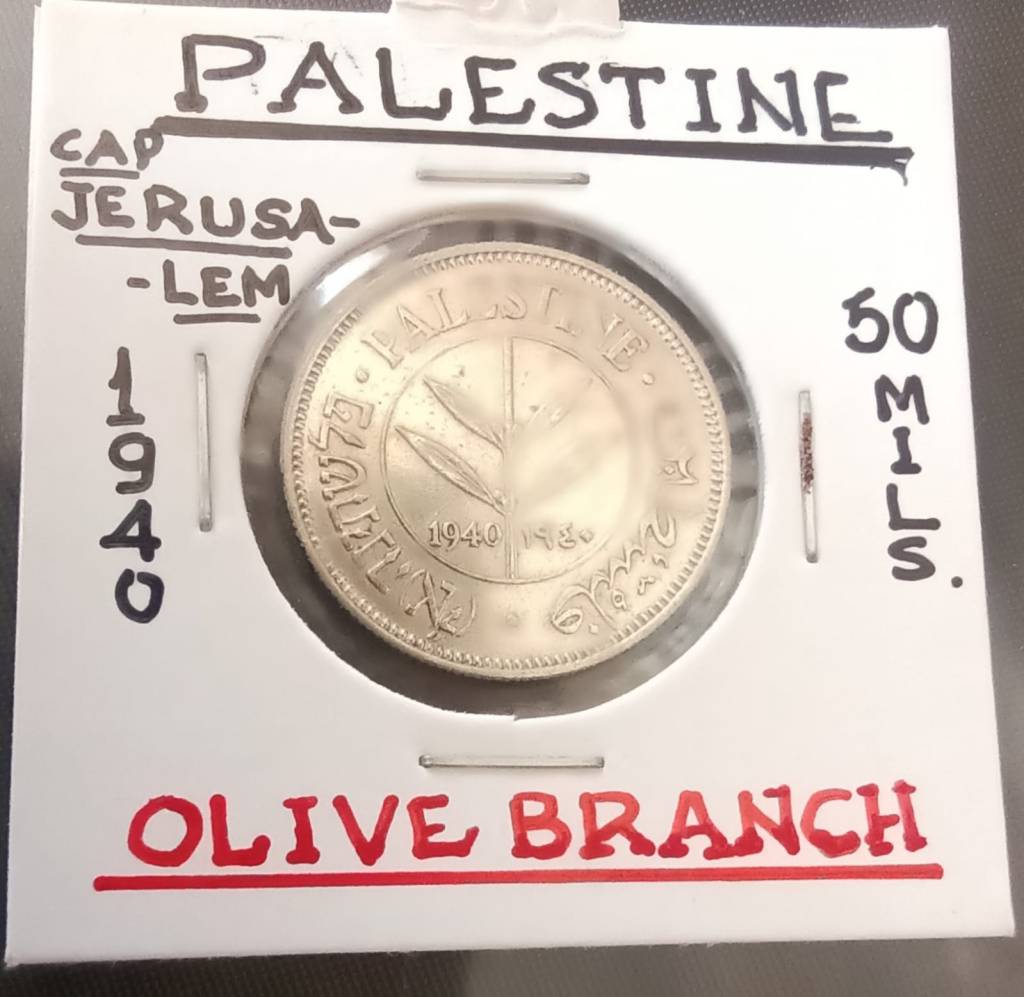
    1. Palestine 50 Mils Coin – 1940
    Obverse design: Features an olive branch — a peaceful emblem that never goes out of style.
    Languages: Inscribed in English, Arabic, and Hebrew – a trilingual design reflecting the British Mandate’s governance.
    Details:
    Year: 1940
    Denomination: 50 Mils
    Material: Copper-nickel
    Historical Note: This coin was issued during the British Mandate of Palestine (1927–1948).

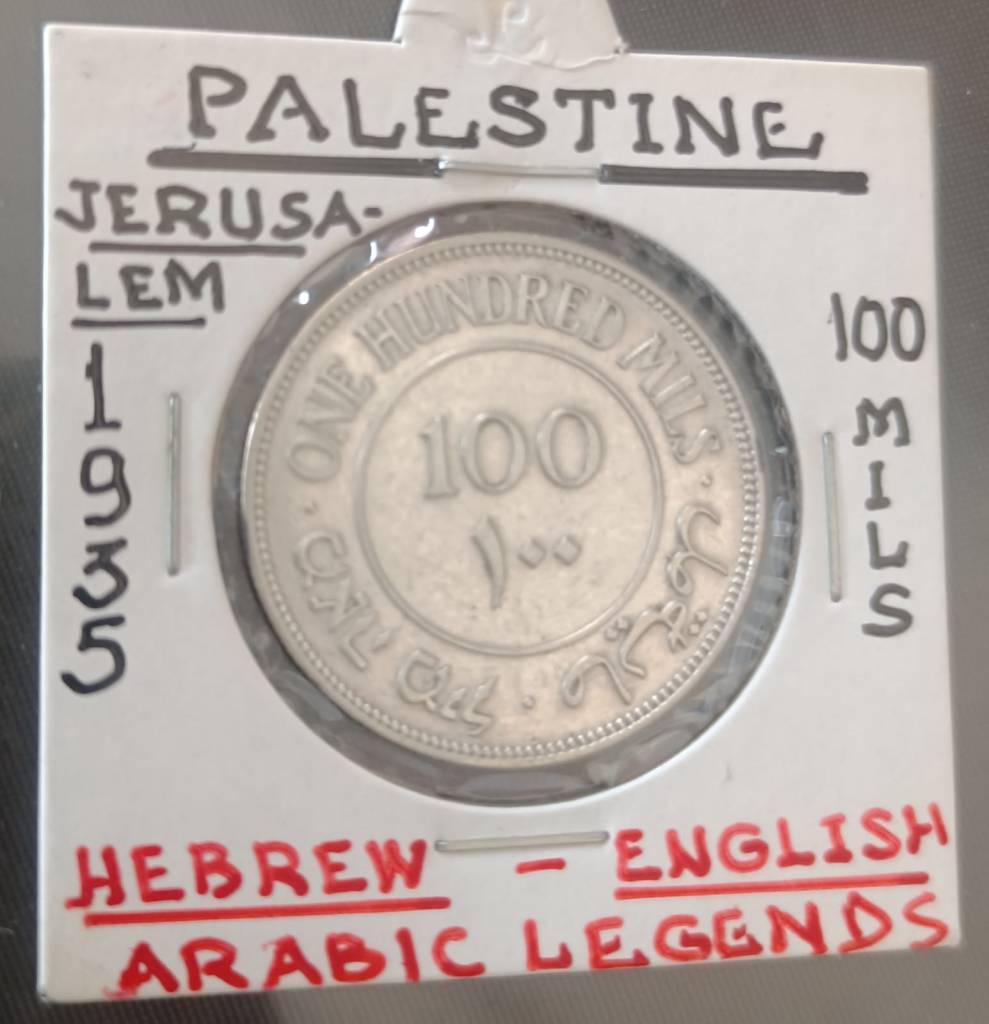
    2. Palestine 100 Mils Coin – 1935
    Design: Simple and elegant — large “100” in the center with value in 3 scripts around it.
    Languages: English, Arabic, Hebrew (same trilingual harmony)
    Details:
    Year: 1935
    Denomination: 100 Mils
    Material: Silver (72% silver)
    Weight: Approx. 7.78 grams

    Historical Note: One of the higher denomination coins used in Palestine pre-1948.

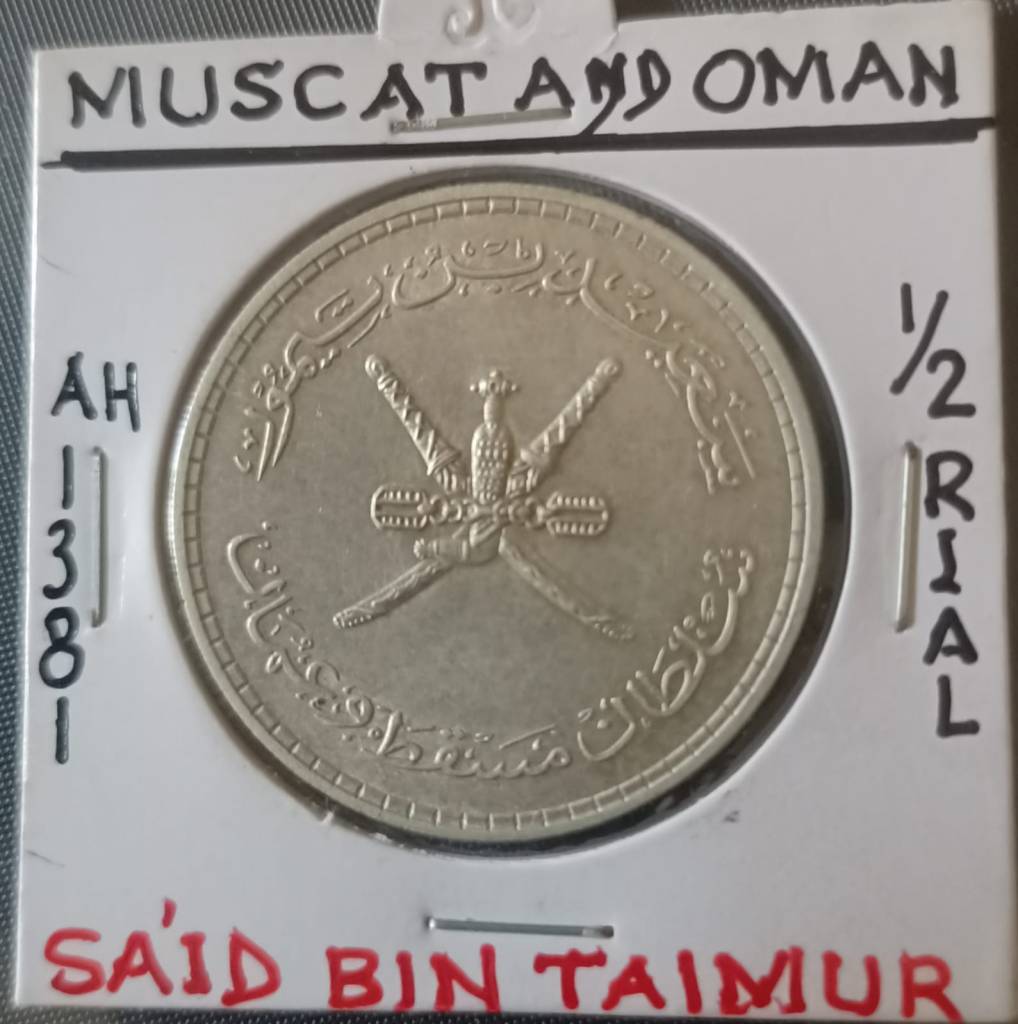
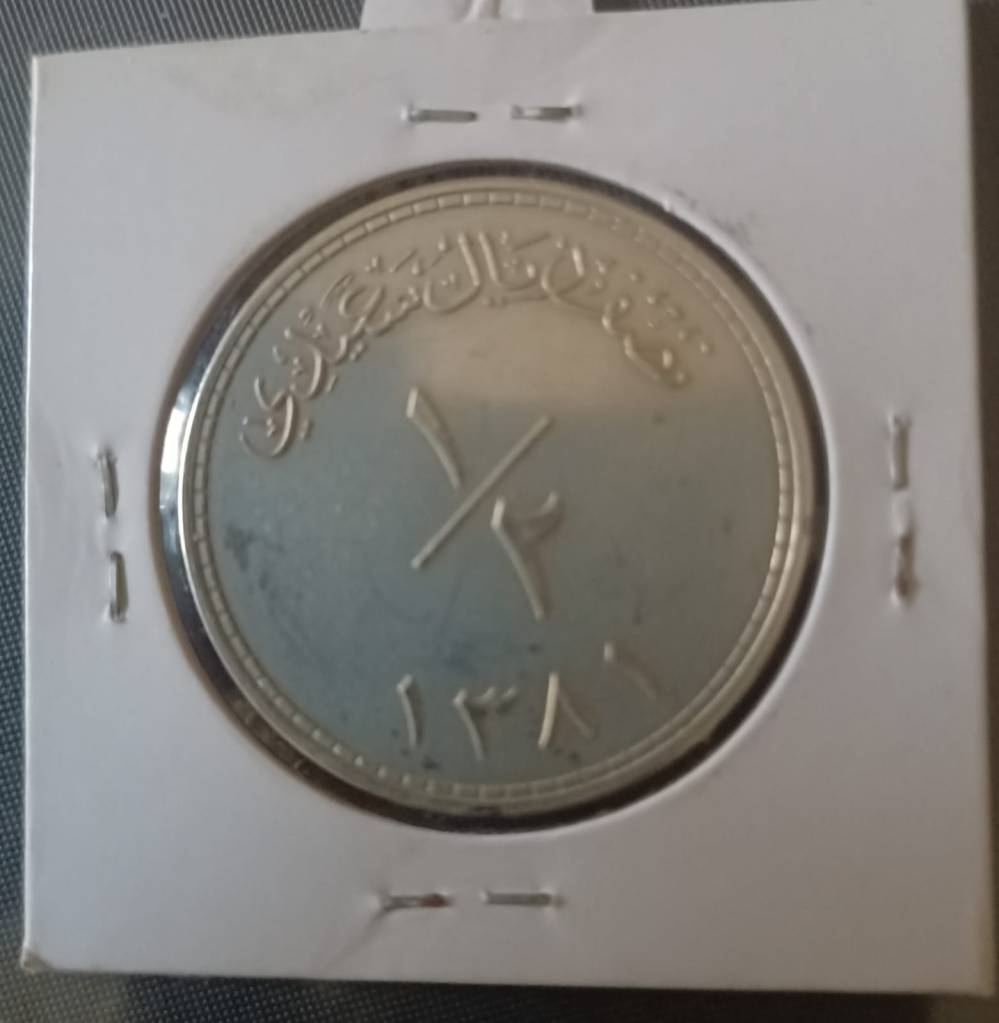
    3. Muscat & Oman ½ Rial Coin – AH 1381 (≈ AD 1962)
    Obverse (Front): Features the classic Khanjar (dagger) emblem with crossed swords — a powerful symbol of Oman.
    Reverse (Back): Arabic text showing denomination ½ and year 1381 AH, which corresponds to 1961–62 AD.
    Ruler: Sultan Said bin Taimur Material: Nickel or cupro-nickel
    Details:
    • Denomination: ½ Rial
    • Country: Muscat and Oman (before unification as “Sultanate of Oman”)
    • Minted in: UK or Europe
    • Historical Note: Predecessor to the modern Omani rial — from a time when Oman was under a different light altogether.
    These coins are more than metal — they’re tiny storytellers of political change, cultural coexistence, and regional identity.

  • Sketches: Another hobb

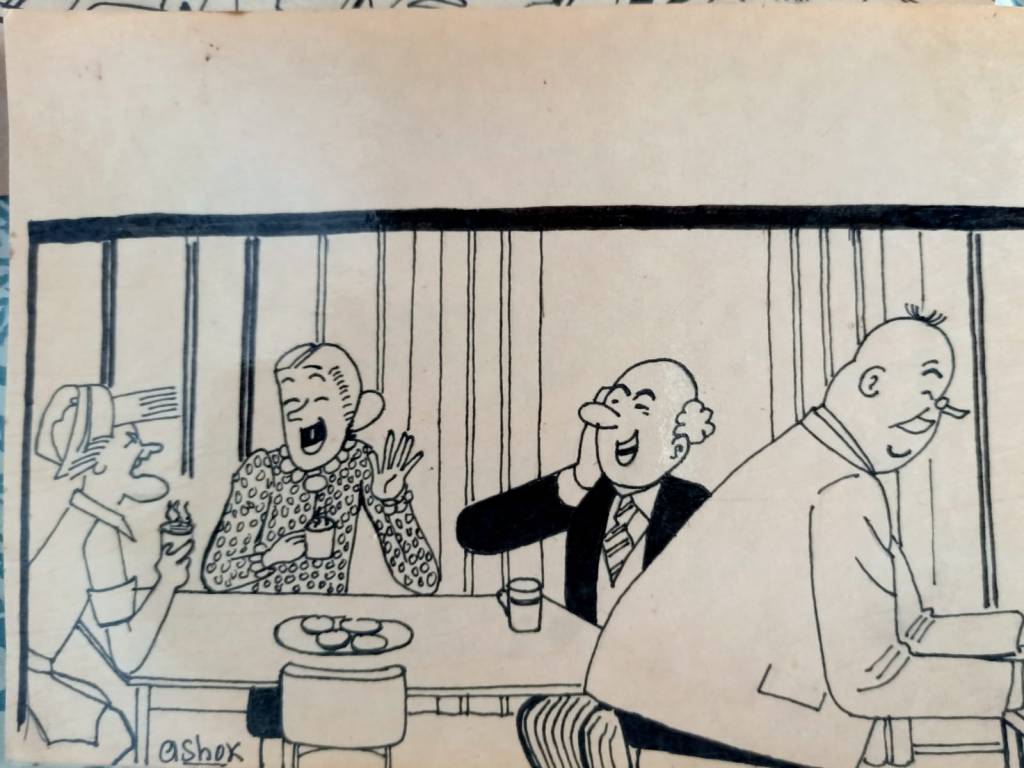
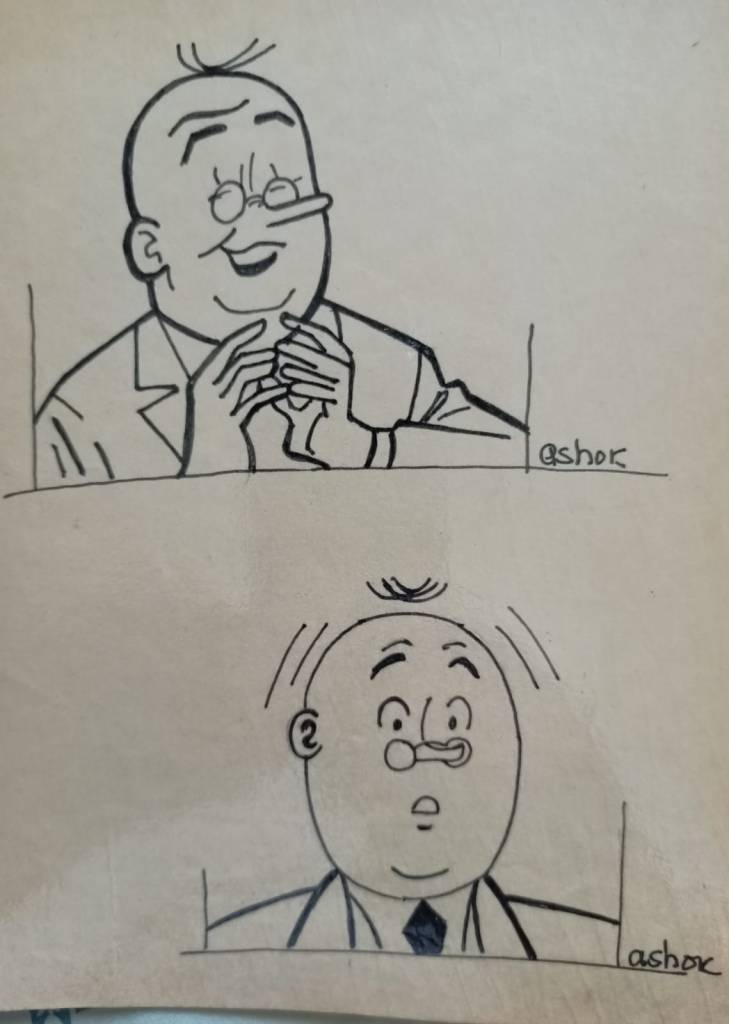
    Sketches: From Dad

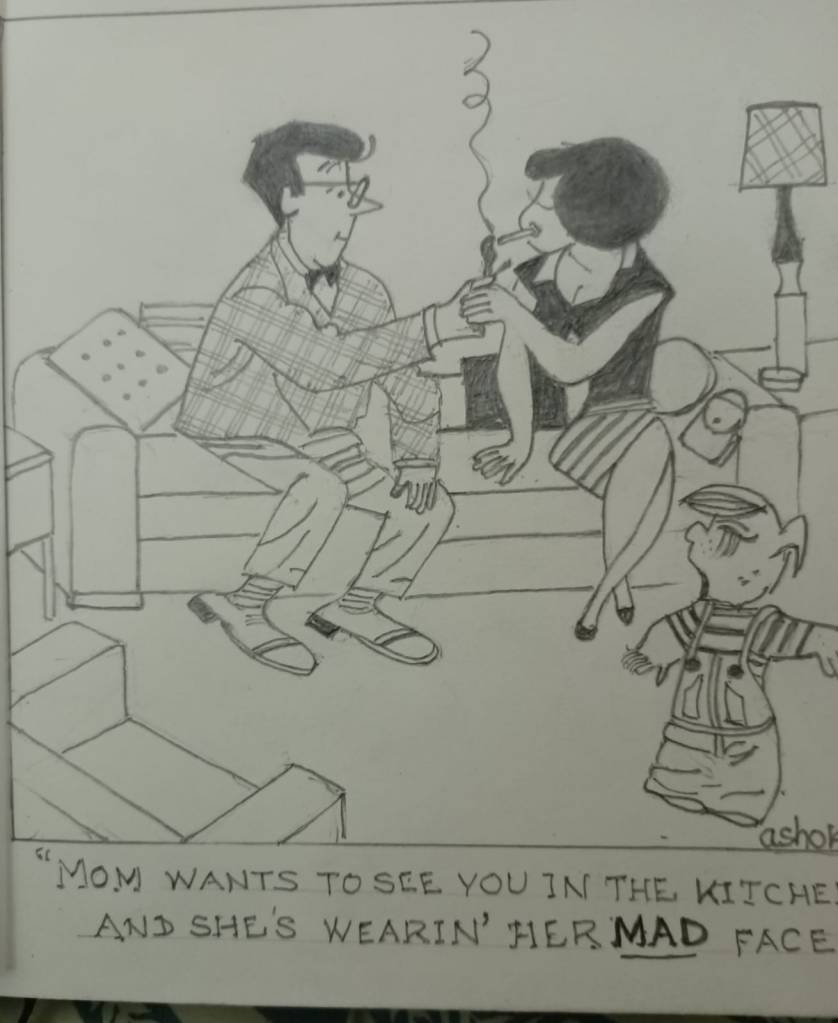
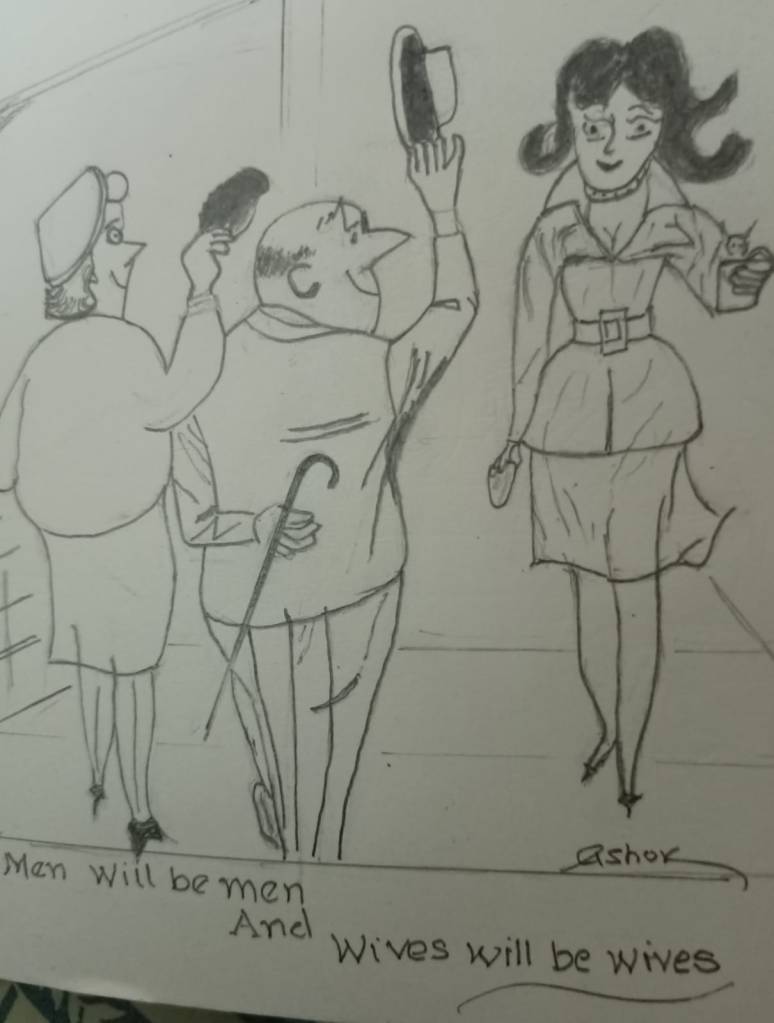
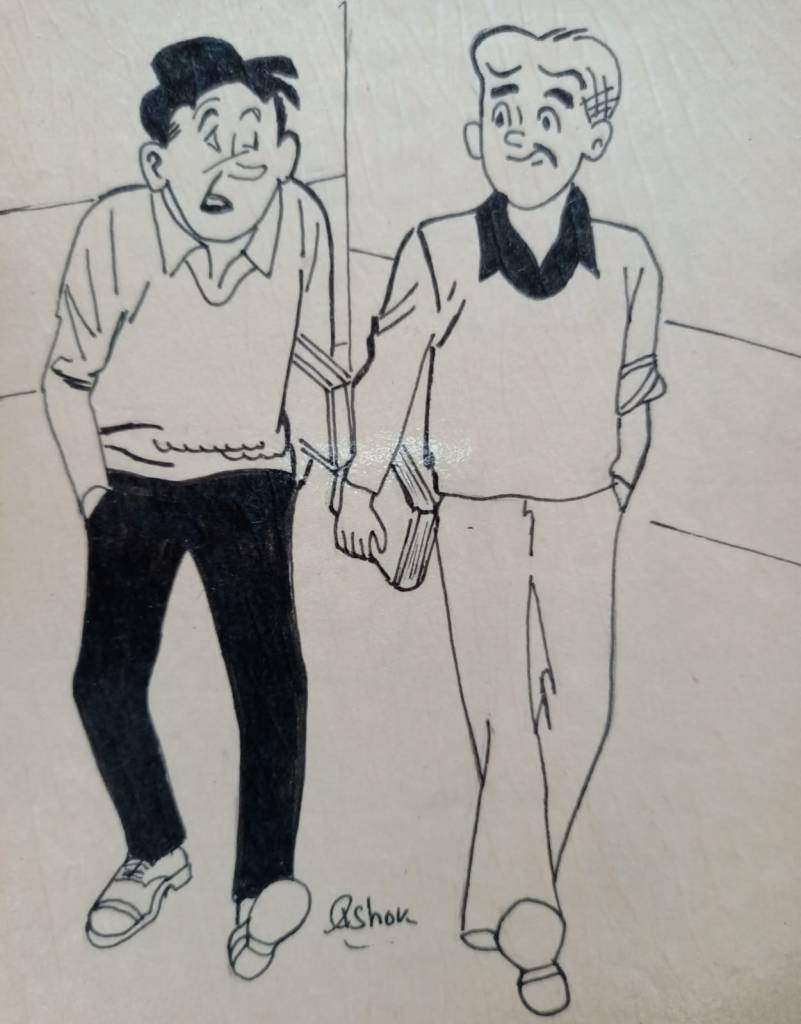
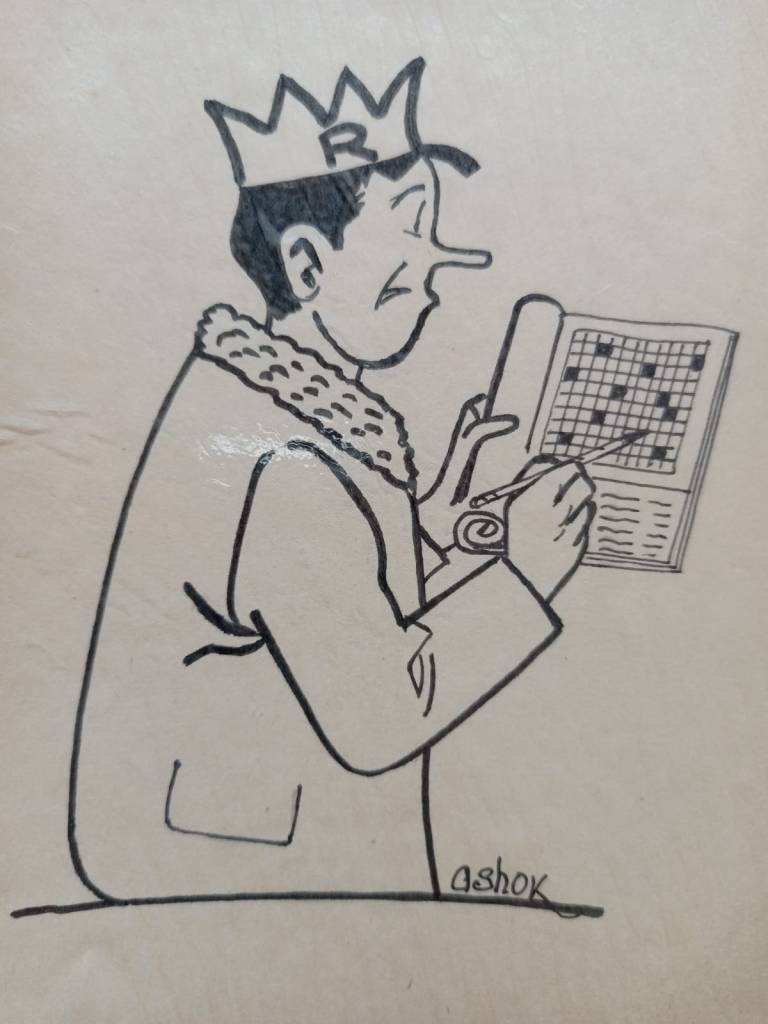
    Dad’s artistic side .. so nicely drawn, all these sketches. Pretty much the same as in the original comic/ joke… from Archie, Dennis, and, jokebook.

  • Notgelds: 2nd post of the day

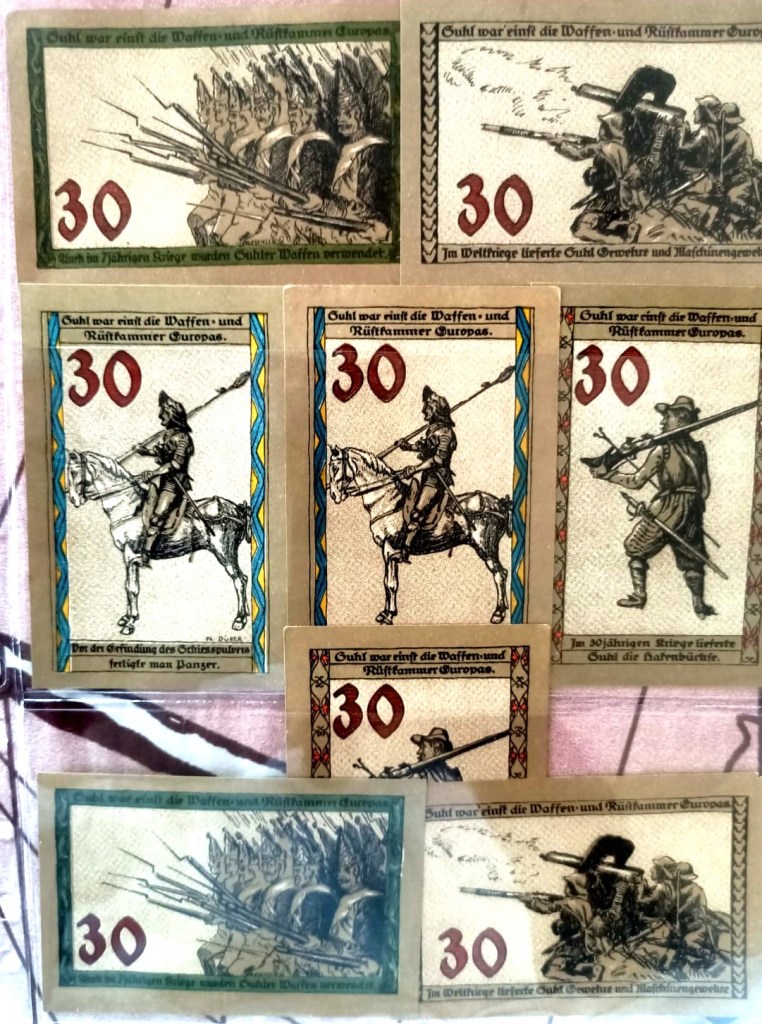
    1st Image – SUHL: Weapons & War

    • From Suhl, famously called the “Weapons and Armory Chamber of Europe.”
    • Denomination: 30 Pfennig
    • Themes:
      • Military manufacturing from the 30 Years’ War to WWI
      • Black-and-white sketch style with red “30”

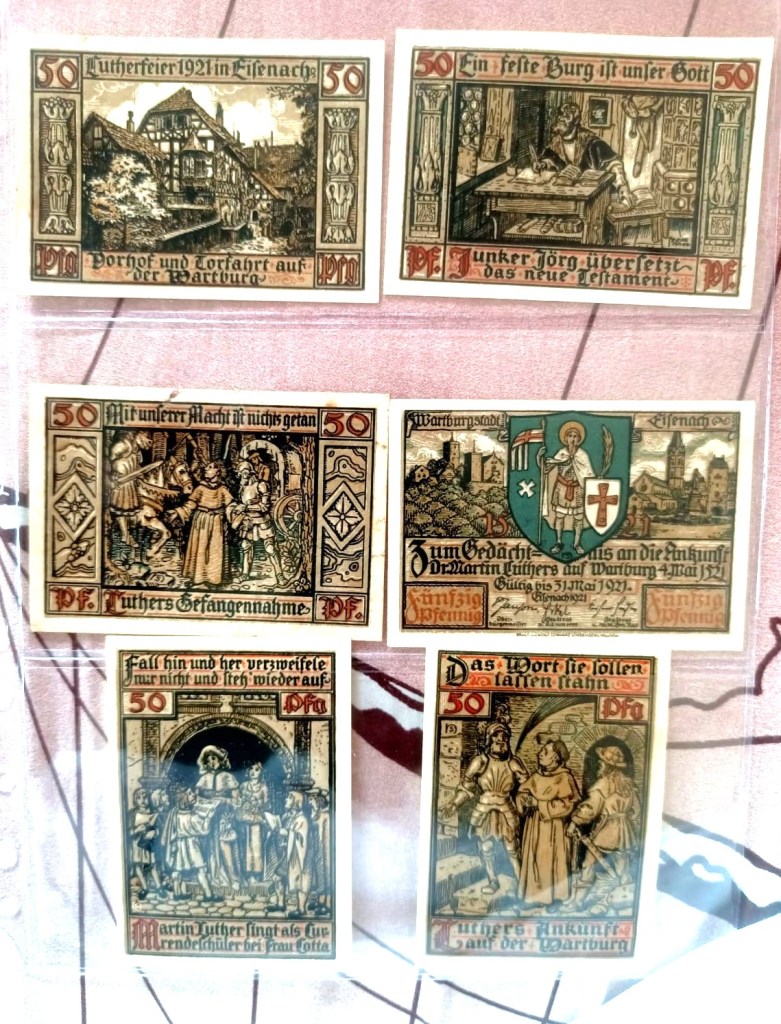
    2nd Image – Eisenach / Wartburg: Luther and Reformation

    • Commemorates the Lutherfest 1921 in Eisenach and Wartburg Castle.
    • Scenes:
      • Translation of the Bible by Luther
      • His capture & protection at Wartburg
      • Epic “Thesenanschlag” (95 Theses event)
    • Deeply religious + German Renaissance woodcut art. This is theological Notgeld at its finest.

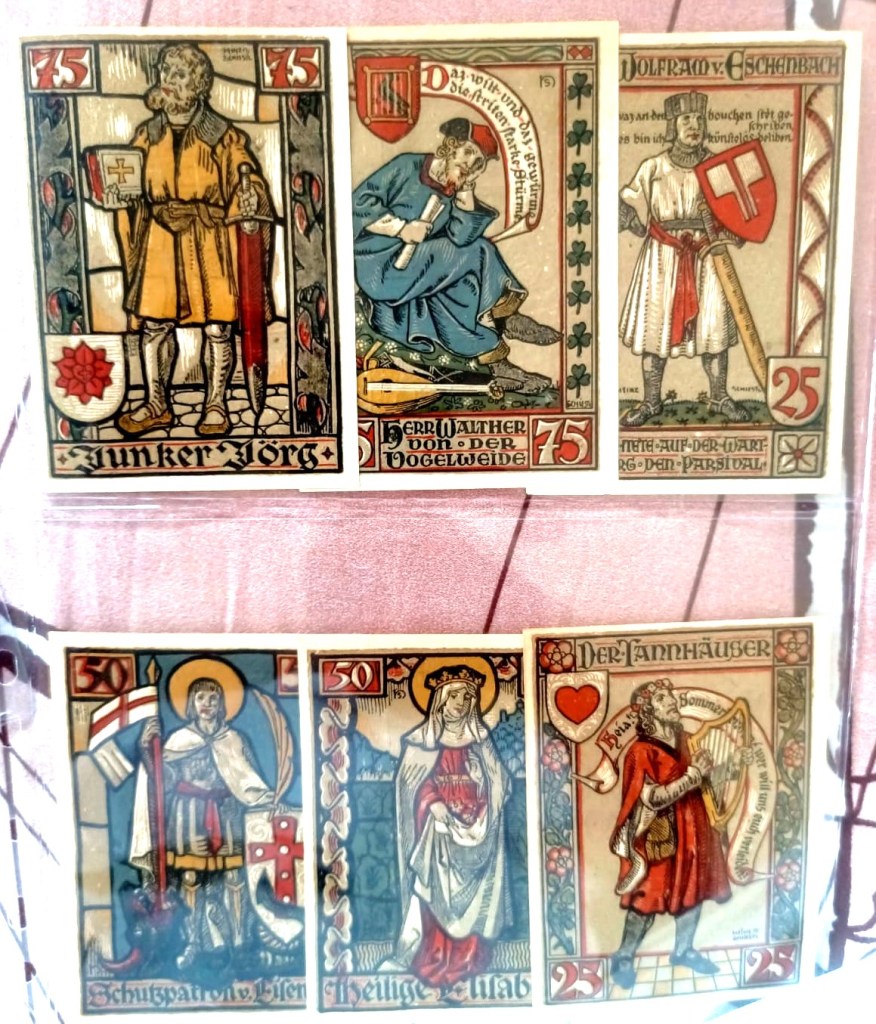
    3rd Image – Stained Glass Style: Germanic Legends

    • The top row has:
      • Junker Jörg (Luther in disguise)
      • Walther von der Vogelweide (poet/singer)
      • Wolfram von Eschenbach (knight-poet, writer of Parzival)
    • Bottom row:
      • Patron saints of Eisenach
      • St. Elisabeth
      • Der Tannhäuser (legendary poet/minnesinger)
    • These look like they stepped straight out of a cathedral window.

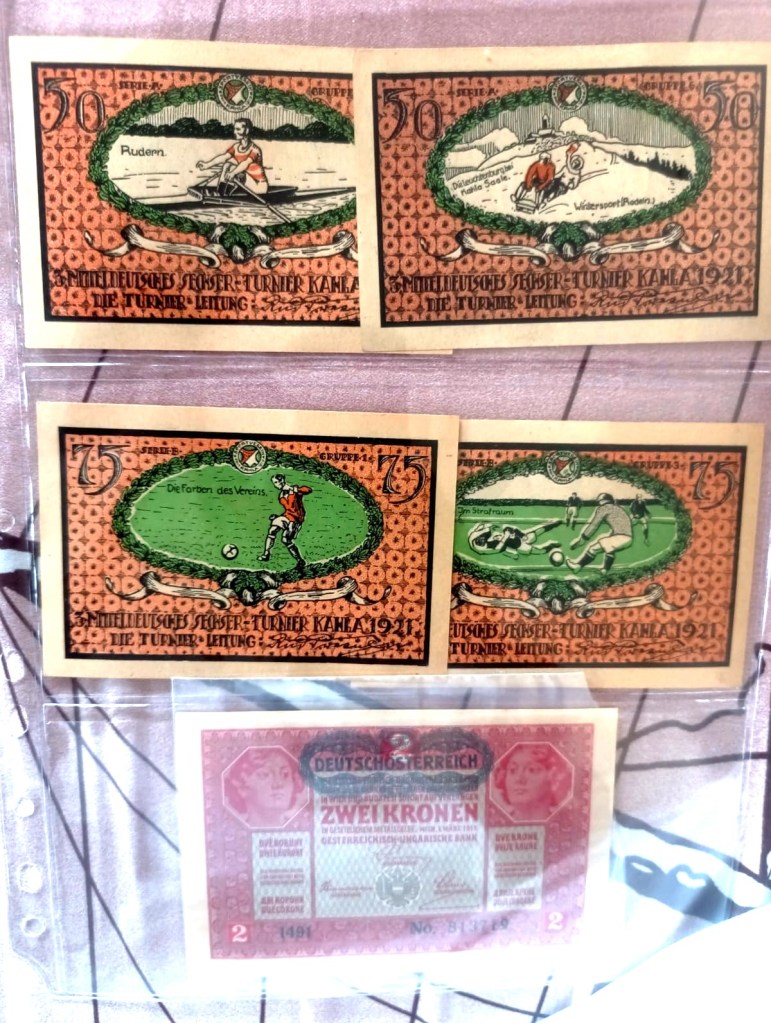
    4th Image – Sports Notgeld: 1921 KAHLA Tournament

    • Super rare themed set from the 3rd Central German Turner Tournament (Turnfest Kahla 1921)
    • Events shown:
      • Rowing,Winter sport (skiing!),Gymnastics / tug-of-war,Football / soccer

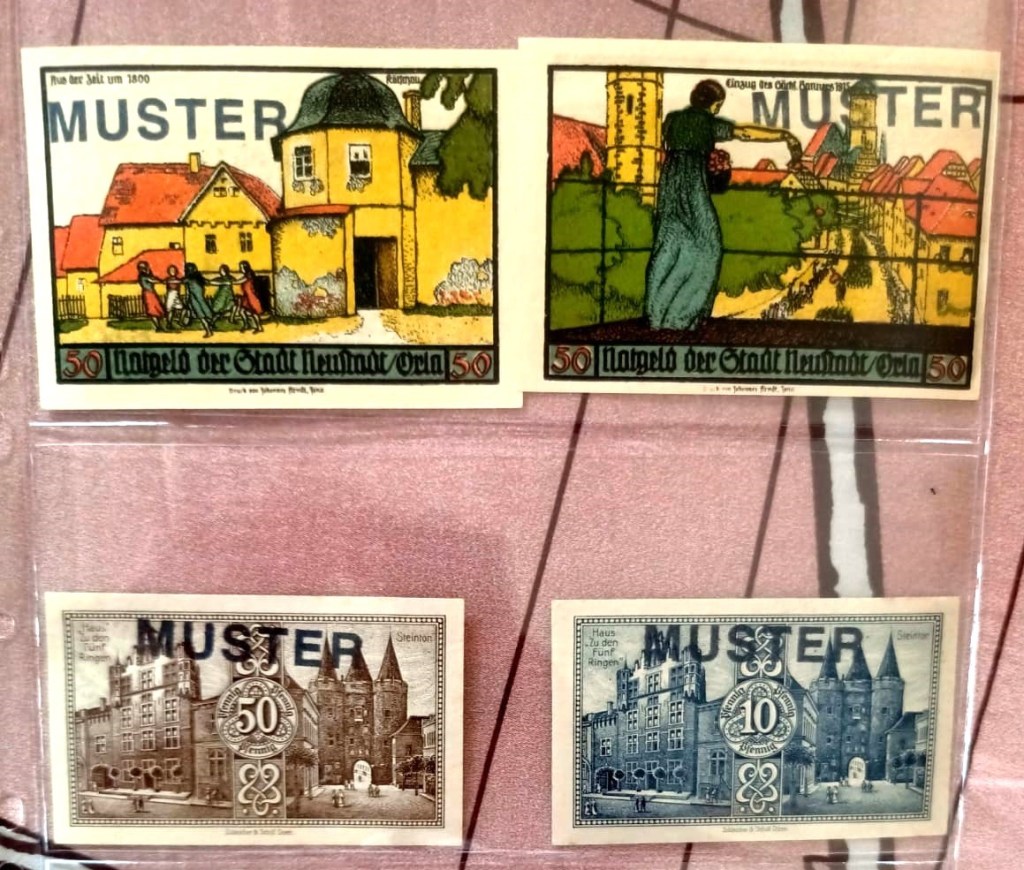
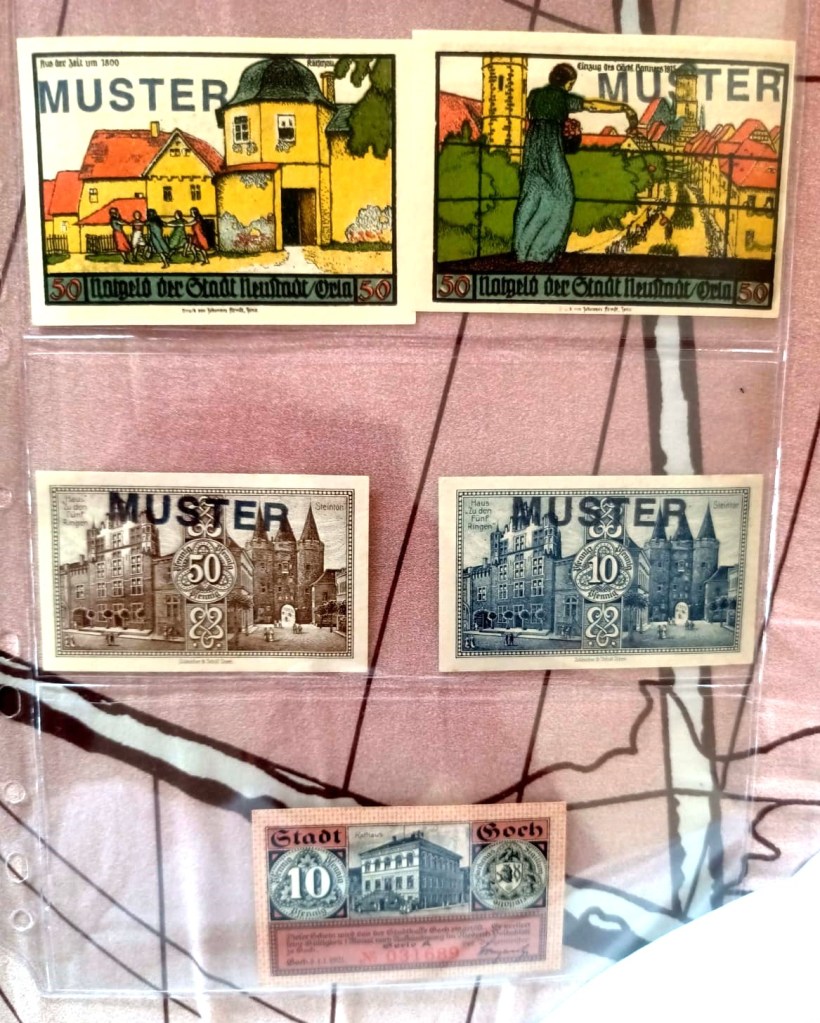
     5th Image – Neustadt & Goch: Urban Vibes & Specimens

    • “MUSTER” = Specimen notes — uncommon and prized!

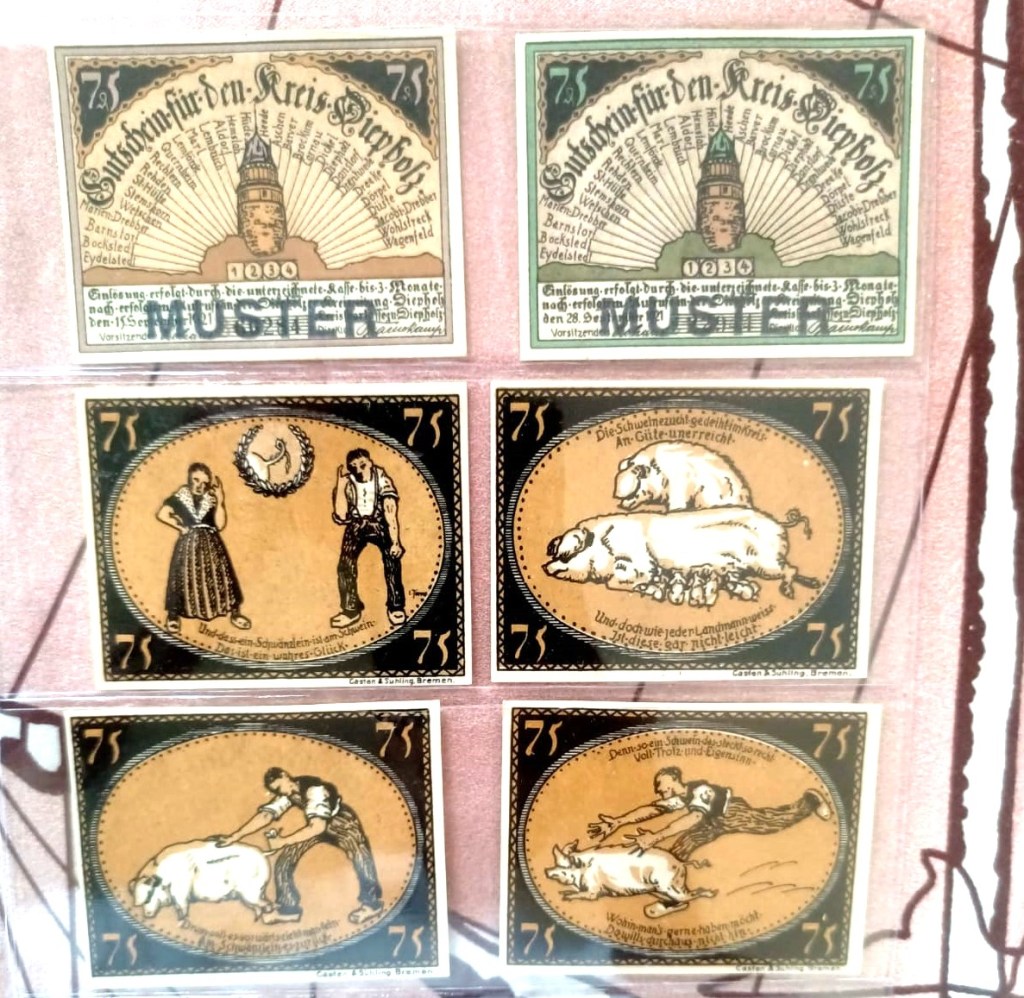
    6th Image – Kreis Gießen (Pig Wrestling Series!)

    • Neustadt an der Orla series from the 1800s and early 1900s (theme: everyday life)
    • This humorous pig-themed Notgeld from Kreis Gießen is pure satire.
    • Top notes: Heraldic sunray design (MUSTER marked).
    • Bottom: Pigs running amok as farmers struggle hilariously.
    • Each one has a rhyme! They’re basically Notgeld comics — poetic, absurd, and collectible.

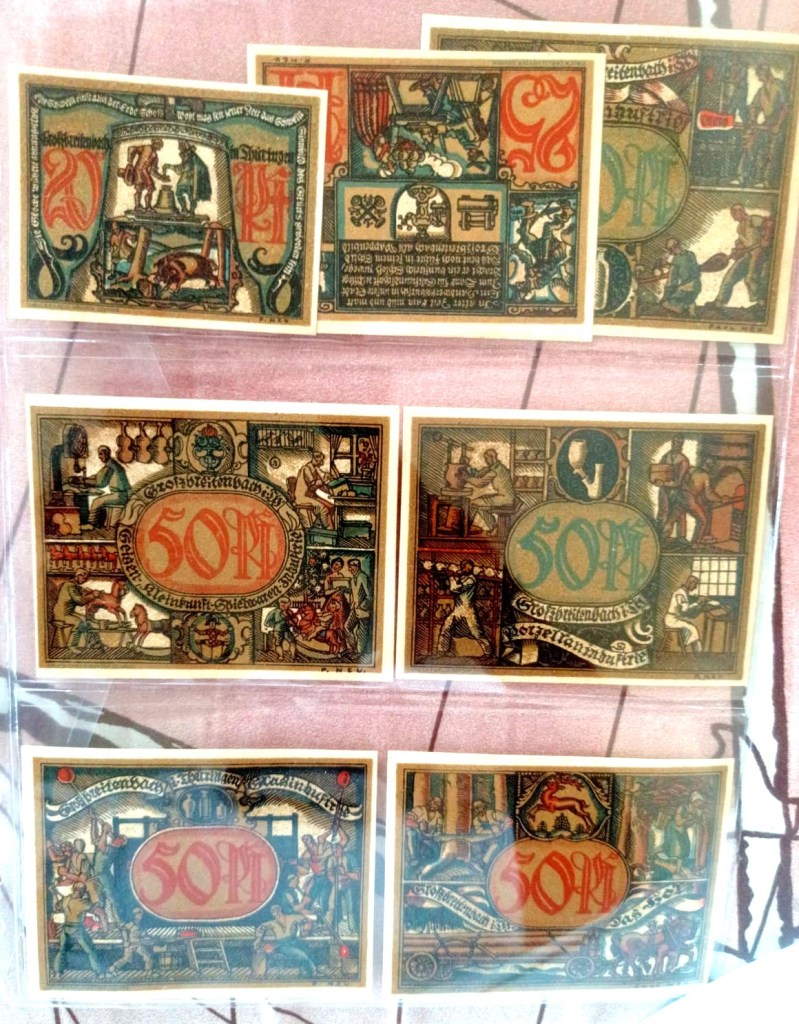
    7th Image – Masterpiece Series: Craft & Guilds

    • From the city of Bielefeld / or similar industrious towns.
    • Style: High Medieval with a serious Lübeck/Hanseatic visual tone.
    • Scenes: Printing press, textile work, musical instrument making — each note celebrates a trade or guild.
    • This set is an ode to craftsmanship and urban pride, dressed in the robes of illuminated manuscripts.

  • Notgeld notes : from the 1920’s

    1st Image: Weimar Notgeld (Stadt Weimar – 50 Pfennig)

    • Portraits of Goethe & Schiller – Cultural icons of Weimar. Each note has a colored border (red, blue, green) which likely denotes part of a thematic series.
    • Each note is stamped and serialized, and marked “Notgeld der Stadt Weimar” (Emergency Money of the City of Weimar).
    • Note the MUSTER — these are specimen notes.rarer than normal ones.

    2nd Image: Storytelling Series with Classical Illustration

    • Texts include deep philosophical lines: one mentions “Unendliche Kette” (endless chain), another references “Hilfreich und gut” (helpful and good).
    • Bottom two are from Neustadt an der Orla again — town view themes, reflecting daily life or tales.
    • Artistic style: Jugendstil (German Art Nouveau) meets Expressionism.

    3rd Image: Dortmund Notgeld (1922)

    • All from Dortmund, dated October 1922.
    • Top: Reinhold & the “Wahnsinnskind” (child of madness!) —referencing turmoil.
    • Middle: Silhouette of Dortmund’s skyline.
    • Bottom: Classical/medieval motif with the town’s coat of arms.
    • These carry strong satirical and local patriotic vibes, classic Dortmund sets.

    4th Image: More Dortmund (25/50 Marks)

    • Same design style and diagonal text layout as previous, with vivid colors (orange, blue, green).
    • Themes appear to show work, resistance, and perhaps even the Ruhr occupation

    5th Image: Auerbach i. Vogtland – 75 and 50 Pfennig

    • Another town-based issue: “Bezirksverband Auerbach i. Vogtland”.
    • These are Gutscheine (vouchers) — technically not Notgeld, but similar purpose.

    6th Image: Silhouette Series (possibly from Niesky or Leipzig region)

    • Some comic, others a bit dramatic — one shows a judge, another a monstrous shadow!
    • Themes of satire, morality, and daily life again — a kind of German Punch Magazine in pocket-size money form.